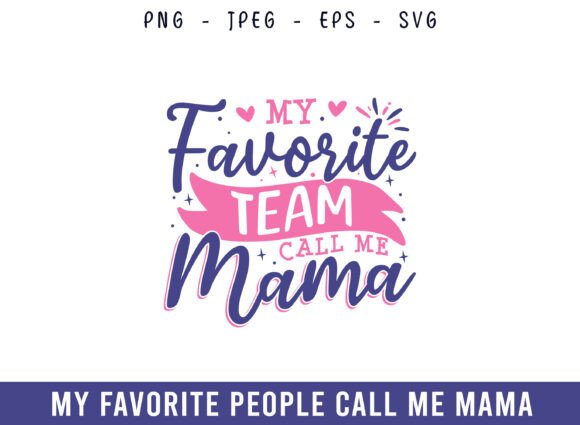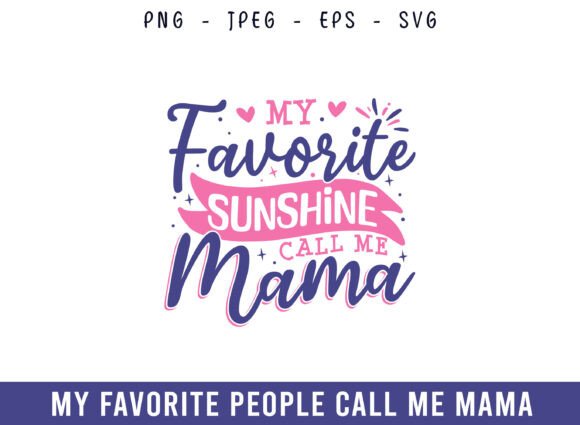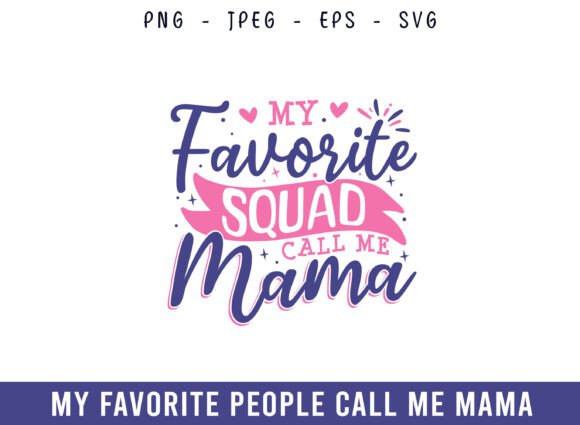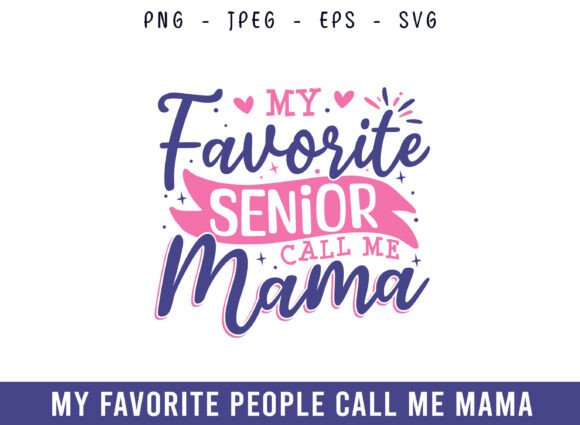
My Favorite Santa Call Me Mama Design Review
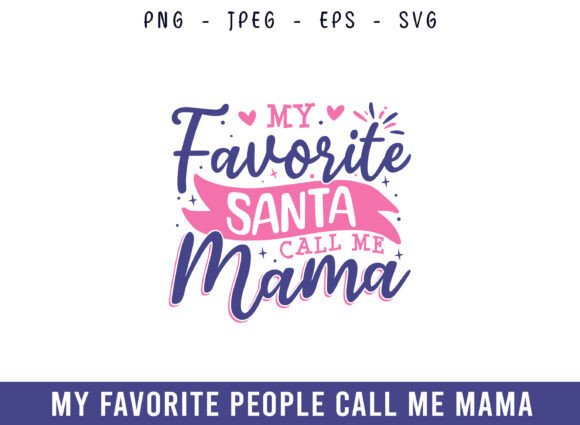
When evaluating a new digital asset for my embroidery business, I look past the cute preview image and focus immediately on structural integrity. As a designer who creates custom apparel and personalized gifts year-round, I need to know if a graphic will actually translate into clean stitches or if it will become a thread-eating nightmare on stretchy knit fabric. My first impression of the My Favorite Santa Call Me Mama Design is that it strikes a delicate balance between holiday whimsy and maternal sentiment. The layout suggests a playful hierarchy where the "Santa" element acts as a visual anchor for the "Mama" text, creating a focal point that feels intentional rather than cluttered. For those of us in the Crafts industry, this specific arrangement is crucial because it dictates how we approach hooping and stabilization before the needle ever touches the fabric.
Translating Vector Shapes to Stitch Reality
The product description highlights that this file is made with 100 vector shapes and is fully re-sizable. From a technical standpoint, this is excellent news for digitizers and machine operators. Unlike raster images that pixelate when scaled, true vector-based graphics allow us to adjust the size without losing edge definition. However, having vector shapes does not automatically guarantee a perfect embroidery file. When I prepare this design for a sweatshirt embroidery project, I am specifically looking at how those vectors have been assigned stitch types. If the "Santa" portion utilizes large fill stitch areas, I need to ensure there is adequate underlay to prevent the fabric from puckering. Conversely, if the text relies heavily on satin stitch columns, resizing becomes a sensitive operation. Stretching a satin stitch too wide can lead to looping, while shrinking it too small can cause thread breaks or illegible lettering.
For my current client project involving matching holiday pajamas for a mother and her children, the re-sizability of the My Favorite Santa Call Me Mama Design is its strongest asset. I can scale the primary design down for a toddler’s chest placement while maintaining a larger version for the mom’s sweatshirt. Because the source material is vector-based, the curves remain smooth at both sizes. This versatility makes it a high-value asset for Etsy sellers and small shop owners who offer tiered sizing options without needing to purchase multiple distinct files. Just remember to verify your hoop size constraints before committing to a resize; even a perfect vector needs physical space to stitch out correctly.
Real-World Application: The Holiday Tote Bag Test
To truly judge the viability of this design, I mentally ran through a recent commission for a canvas tote bag intended as a teacher appreciation gift. Canvas is unforgiving; it shows every tension issue and registration error. The My Favorite Santa Call Me Mama Design fits this use case beautifully because the bold typography and distinct iconography read well from a distance. On a textured surface like canvas or linen, intricate details often get lost, but this design appears to rely on strong silhouettes and clear messaging. This clarity is what builds customer trust. When a buyer sees a finished product photo where the text is crisp and the Santa motif is centered perfectly, they perceive the item as professional and high-quality.
However, applying this to a tote bag requires careful stabilizer selection. I would recommend a medium-weight cutaway stabilizer fused to the back of the canvas to support the stitch density. If you are using this for commercial embroidery on heavier items like denim jackets or aprons, the design’s bold nature allows it to stand up against thick fabric textures. For lighter applications, such as baby embroidery on onesies, you must exercise caution. The density required to make the colors pop on a dark t-shirt might be too heavy for thin cotton jersey. In those cases, testing on scrap fabric is non-negotiable. You may need to reduce the density or switch to an applique design variation to maintain the garment's drape and comfort.
Navigating Color Changes and Fabric Contrast
One of the most practical features mentioned is the ease of changing colors for dark versus white t-shirts or mugs. In the world of machine embroidery design, color management is everything. A design optimized for white fabric often disappears on black, and vice versa. When reviewing the My Favorite Santa Call Me Mama Design, I appreciate that the color separation seems logical. For a dark sweatshirt, I would likely add a white underlay base or modify the outline color to create contrast. This adaptability is essential for craft business owners who want to minimize inventory. Instead of stocking separate designs for light and dark garments, you can manipulate thread colors within the same digital embroidery file to serve multiple markets.
This flexibility extends to sublimation and vinyl as well, given the SVG format. For makers who run hybrid shops offering both embroidered and printed goods, this consistency ensures brand cohesion across different product lines. Whether you are producing a printable mockup for your online listing or stitching the final handmade product, the visual identity remains stable. Just be mindful that thread colors behave differently than digital RGB values. Always test your thread palette against the actual fabric swatch before running a full production batch. What looks vibrant on screen might appear muddy on red fleece or navy cotton.
Critical Considerations for Small Details and Licensing
While the My Favorite Santa Call Me Mama Design offers immense creative potential, there are specific scenarios where I would advise extra vigilance. Small hoop sizes are the primary concern. If you attempt to shrink this design for a cap or a sleeve cuff, the internal details of the Santa graphic and the spacing between letters could collapse. Running stitch elements used for fine detailing may turn into dots if reduced below a certain threshold. Always check the minimum recommended size in your embroidery software. If the design includes tiny accent stars or snowflakes, consider removing them for micro-applications to preserve legibility.
Licensing is another area where professional judgment matters. Before listing any finished product derived from this design on Etsy or at a craft fair, confirm the commercial use terms. Some digital assets allow for unlimited physical sales but restrict digital redistribution or mass production. Protecting your business means respecting these boundaries. Additionally, consider the seasonality of the asset. While "Mama" is evergreen, the "Santa" element limits its shelf life. To maximize ROI, plan your marketing calendar to feature this design heavily from October through December, then pivot to non-holiday variants for Mother’s Day in spring. Strategic planning transforms a single graphics purchase into a recurring revenue stream.
Final Verdict for Makers and Sellers
Ultimately, the My Favorite Santa Call Me Mama Design represents a solid investment for apparel decorators and creative entrepreneurs who understand the nuances of digitizing and fabrication. It avoids the common pitfall of being overly complex, making it accessible for hobbyists while remaining robust enough for commercial embroidery projects. Its success in your shop will depend less on the file itself and more on your execution: proper stabilization, thoughtful color choices, and appropriate sizing for the target substrate. By treating this design as a professional tool rather than just a seasonal decoration, you elevate the perceived value of your work. Whether you are stitching a personalized gift for a friend or fulfilling orders for your boutique, this design provides the structural foundation needed to deliver results that look as good in real life as they do in the digital preview.