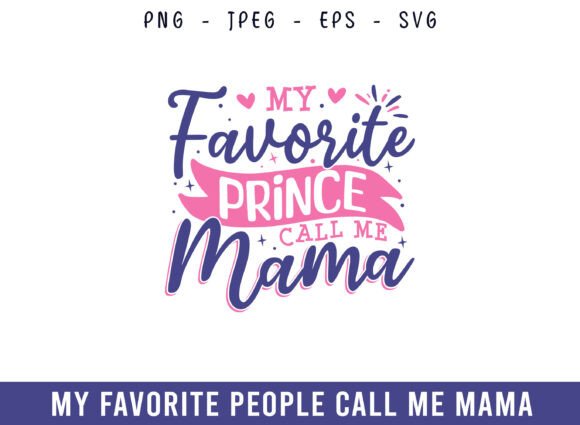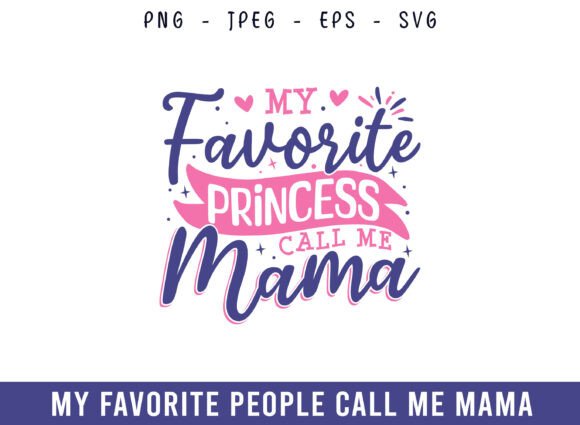
My Favorite Princess Call Me Mama Design Review
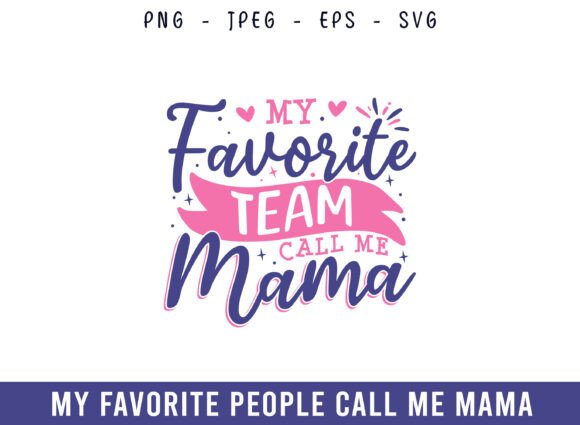
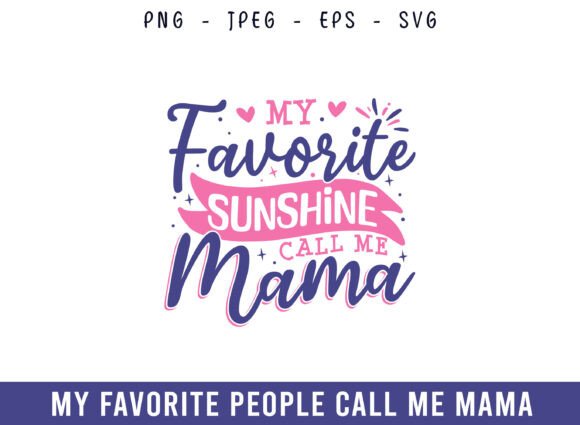
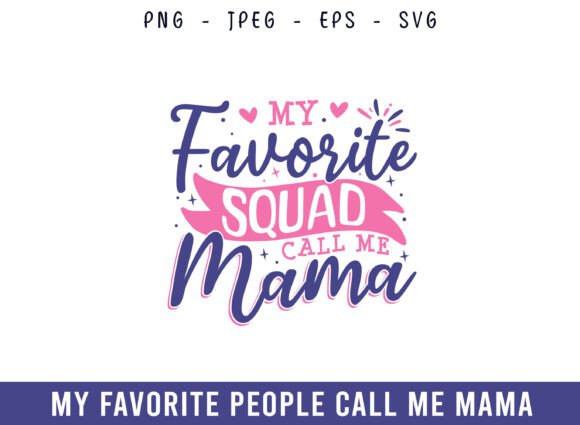
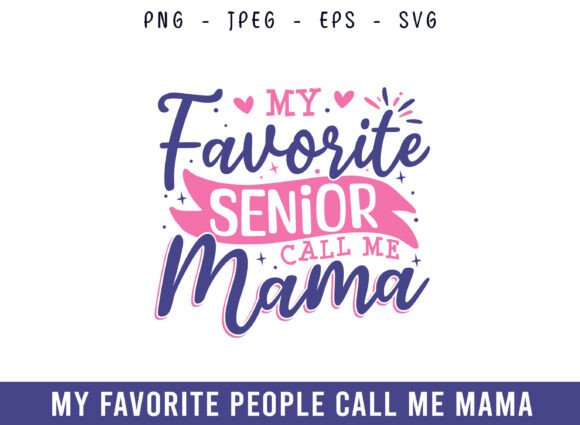
As a professional embroidery digitizer and product reviewer, I approach every new graphic with a critical eye toward stitchability. When evaluating the My Favorite Princess Call Me Mama Design, my first thought is not just about the cute sentiment, but how those vector shapes will translate into physical thread on fabric. This design falls squarely into the high-demand category of personalized family apparel, but its success as a finished product depends entirely on execution. The mood is undeniably sweet and nostalgic, evoking a sense of pride for mothers of young daughters. Visually, it balances playful typography with feminine accents, making it an ideal candidate for Mother’s Day specials or boutique children’s wear. However, because this asset originates as an SVG with 100% vector shapes, it requires careful consideration during the digitizing or conversion process to ensure it performs well as a machine embroidery design.
Translating Vector Art to Stitch Reality
The product description highlights that this graphic is made with resizable vector shapes and allows for easy color changes. For an embroidery designer, this is both a benefit and a caution. Vectors provide clean lines for auto-digitizing software, but they lack inherent stitch attributes. Before loading this into your machine, you must determine if the text "Call Me Mama" should be rendered in satin stitch or fill stitch. Given the likely script font often associated with princess themes, a satin stitch is usually preferable for legibility, provided the column width does not exceed 7mm to prevent thread breaks. The phrase "My Favorite Princess" offers more flexibility; if the lettering is bold, a tatami fill stitch might offer better stability on stretchy fabrics like jersey knits used for t-shirts and sweatshirts.
I recently tested a similar layout for a custom embroidered tote bag project intended as a gift for a client’s wife. The goal was to create a durable, washable item that looked professional rather than homemade. In this real-world scenario, the My Favorite Princess Call Me Mama Design served as the centerpiece. Because tote bags are typically canvas or cotton duck, the fabric texture is forgiving, allowing for higher stitch density without puckering. However, when adapting this same artwork for a baby onesie or a lightweight summer tee, the strategy had to shift completely. The vector art needed to be simplified, reducing the total stitch count to prevent the garment from becoming heavy or bulletproof. This adaptability is where the value lies for Etsy sellers and small shop owners; one design asset can serve multiple product categories if digitized with intent.
Strategic Placement and Fabric Considerations
Where you place this design matters as much as how you stitch it. For custom apparel, center chest placement is standard, but for a "Mama" themed sweatshirt, consider placing the design slightly higher to account for the natural drape of the garment when worn. If you are creating an embroidered patch, the border definition becomes paramount. You will need to add a manual underlay and a precise running stitch guide to ensure the edges remain crisp after cutting. Conversely, if applying this directly to a curved surface like a cap, the vertical height of the design must be checked against your hoop size limits. Caps have limited stitching fields, and intricate details in the word "Princess" may get lost or cause registration issues if the design is too tall.
Fabric choice dictates your stabilizer strategy. The product notes mention easy color changes for dark or white t-shirts. On dark fabrics, using a light-colored thread for the main text creates necessary contrast, but you must use a cut-away stabilizer to support the additional underlay required for opacity. On white or light fabrics, a tear-away might suffice for lighter designs, but for dense fill areas, cut-away remains the gold standard for longevity. Be cautious with textured fabrics like terry cloth towels or fleece blankets. The pile can push through the stitches, obscuring fine details. In these cases, use a water-soluble topping to flatten the texture and ensure the My Favorite Princess Call Me Mama Design sits cleanly on top of the nap.
Commercial Viability and Customer Perception
For creative entrepreneurs and craft business owners, this design represents significant commercial potential. It targets a specific emotional niche that drives sales year-round, peaking during holidays and birthday seasons. However, customer trust is built on quality. A poorly digitized version of this file will result in thread breaks, poor registration, and unhappy buyers. When listing finished products on Etsy or your own site, use printable mockups to showcase the design on various garments before committing to production. Test the design in black and white mockups to verify visual hierarchy; if the design reads well without color, the structure is sound.
Professionalism also extends to licensing. While the description mentions "Mothers Day Special" and digital assets, always verify the commercial license terms included with your purchase. Confirm whether you are licensed to sell physical embroidered items, digital embroidery files, or both. Many designers allow the sale of handmade products but prohibit reselling the digital file itself. Clarifying this protects your business and respects the original artist. Furthermore, when marketing this as a personalized gift, emphasize the customization options. The ability to change thread colors to match a child’s favorite princess theme or a mother’s preferred aesthetic adds perceived value and justifies a higher price point for custom apparel.
Essential Pre-Production Checklist for Makers
Before you run a single production piece, adhere to these practical designer notes to ensure success:
- Test on Scrap Fabric: Never assume settings are correct. Stitch out the My Favorite Princess Call Me Mama Design on the exact fabric type you intend to use for the final project.
- Verify Hoop Size: Measure the actual stitch field, not just the hoop dimensions. Ensure there is adequate margin for the presser foot and clamps.
- Check Thread Contrast: View your thread selection against the fabric in natural lighting. What looks good on screen may vanish on cloth.
- Inspect Small Details: Zoom in on your embroidery software. Any element smaller than 4mm in satin stitch width risks tunneling or fraying.
- Review Stabilizer Pairing: Match the stabilizer weight to the fabric weight and stitch density. Over-stabilizing causes stiffness; under-stabilizing causes distortion.
- Confirm Licensing: Double-check your rights regarding commercial embroidery and digital resale before listing any item.
- Wash Test: If selling baby embroidery or kitchen textiles, wash and dry your test sample to check for shrinkage or thread bleed.
Elevating the Finished Product
Ultimately, the My Favorite Princess Call Me Mama Design is more than just a collection of vector shapes; it is a vessel for sentiment. As makers, our job is to bridge the gap between digital art and tangible heirloom. Whether you are producing a holiday gift, a boutique product line, or a single cherished keepsake, the attention you pay to stitch density, fabric interaction, and overall presentation defines the outcome. By treating this graphic with technical respect and creative foresight, you transform a simple SVG into a high-value embroidery project that resonates with customers and stands the test of time. Remember that in the world of crafts and graphics, the difference between amateur and professional lies in the invisible details of construction and the visible quality of the final stitch.