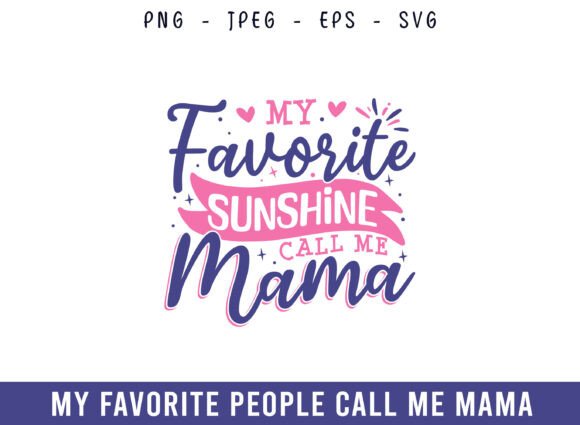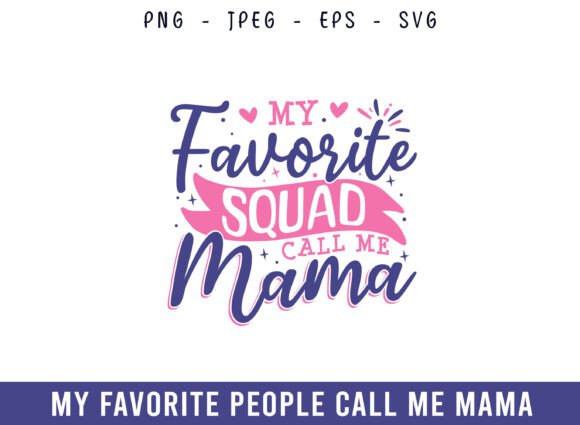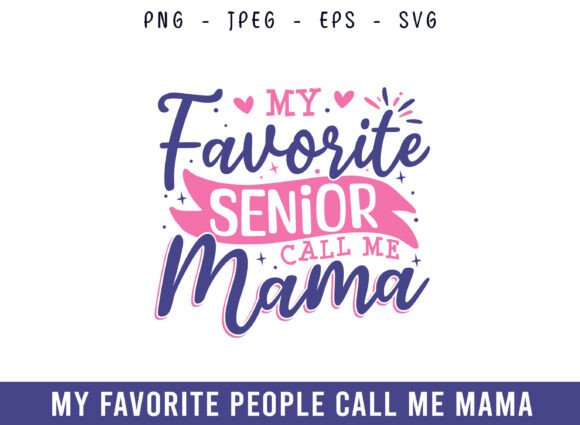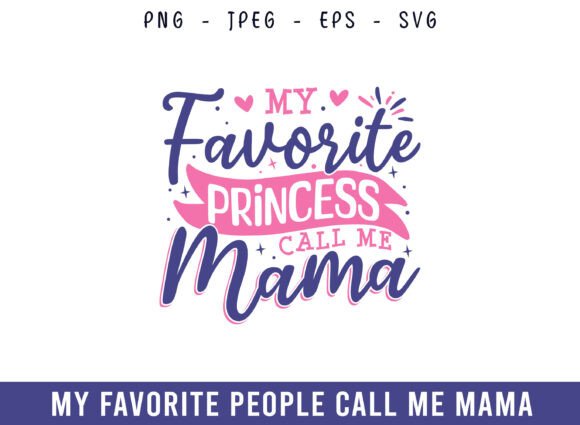
My Favorite Team Call Me Mama SVG Design Review
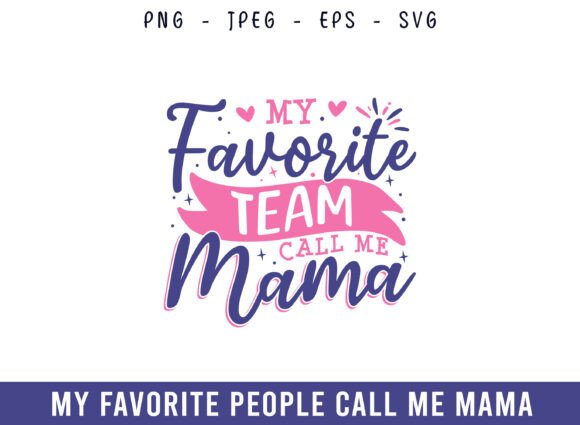
As a professional embroidery digitizer and product reviewer, I approach every new graphic asset with a specific question: will this actually stitch out cleanly on real fabric? When evaluating the My Favorite Team Call Me Mama SVG Design, my focus shifts immediately from screen aesthetics to production viability. This design carries a distinct sentimental weight, targeting the "sports mom" demographic with precision. Visually, it balances athletic typography with maternal warmth, creating a mood that is both spirited and nurturing. For craft business owners and Etsy sellers, this specific intersection of theme and style is where sales happen. However, translating a 100% vector graphic into a tangible embroidered patch or sweatshirt requires understanding how those clean lines interact with needle and thread.
Translating Vector Shapes to Stitch Reality
The product description highlights that this design is made with 100% vector shapes and is fully resizable. From a technical standpoint, this is excellent news for apparel decorators. Vector-based graphics typically convert to embroidery files much cleaner than raster images because the paths are mathematically defined rather than pixelated. When I look at the layout of My Favorite Team Call Me Mama SVG Design, I see potential for crisp satin stitch borders and smooth fill stitch areas. The ability to resize without losing integrity means you can adapt this single digital embroidery file for multiple products, from a small left-chest logo on a baby onesie to a large back print on a custom apparel sweatshirt.
However, being resizable does not mean infinite scalability in embroidery. While the SVG source is perfect, your final machine embroidery design must respect stitch physics. If you scale this down too small for a cap or sleeve cuff, the text elements may become illegible once rendered in thread. Conversely, scaling it up for a tote bag design might require adjusting stitch density to prevent fabric puckering. Always verify that your digitizing software auto-generates appropriate underlay when resizing, as the original vector file contains no stitch data until processed.
Real-World Application: The Custom Sweatshirt Test
To truly judge this asset, I mentally placed it in a real-life production scenario: creating a personalized gift for a youth baseball coach’s wife. She wanted something she could wear to games that acknowledged her role without looking like generic merchandise. The My Favorite Team Call Me Mama SVG Design fits this niche perfectly. For this project, I would utilize a mid-weight cotton fleece sweatshirt. The design’s layout suggests a centered chest placement, roughly 4x5 inches, which allows the typography to remain readable from the bleachers while keeping the stitch count manageable.
In this application, the contrast between the "team" aesthetic and the "mama" sentiment creates high perceived value. Customers are not just buying a shirt; they are buying identity recognition. For an Etsy seller or small shop product line, this emotional connection drives engagement. When stitching this out, I would use a tear-away stabilizer for the fleece to maintain registration. Because the design likely features bold lettering typical of sports graphics, ensuring adequate spacing between letters is vital to prevent thread buildup. A test stitch-out on scrap fabric is non-negotiable here to confirm that the satin stitch columns do not distort the curved letterforms common in athletic fonts.
Navigating Fabric Textures and Color Adaptability
One of the standout features mentioned is the ease of changing colors for dark or white t-shirts and mugs. In the world of commercial embroidery and sublimation, versatility is profit. However, adapting this design for different backgrounds involves more than just swapping thread colors. Dark fabrics often require a white underlay base to make top threads pop, which adds density. If you are using this as an applique design on a textured towel or canvas tote bag, you must account for the fabric texture pushing through the stitches. A slightly higher stitch density or a topping stabilizer may be necessary to keep the design surface smooth.
For thin or stretchy fabrics like performance tees, caution is required. Athletic-style graphics often have dense fill areas that can cause lightweight knits to pucker or tunnel. If you plan to use My Favorite Team Call Me Mama SVG Design on performance wear, consider modifying the fill stitch to a lighter tatami pattern or reducing the overall size to reduce tension on the garment. Always pair these adjustments with a cut-away stabilizer to support the stretch recovery of the fabric. Remember, a distorted design on a finished product reflects poorly on your brand consistency and professionalism.
Strategic Placement and Product Limitations
While this graphic is versatile, it demands strategic placement. Curved surfaces like caps present unique challenges for designs with horizontal text flow. Before committing this to headwear, flatten the design visually to ensure the baseline won’t appear crooked when wrapped around a curved brim. Similarly, if you are producing holiday embroidery items or baby embroidery gifts, inspect the smallest details. Tiny decorative accents that look fine on a monitor may turn into thread nests on a 4x4 hoop size. If the design includes intricate inner counters in the lettering, you may need to simplify them for smaller formats to maintain stitching clarity.
Furthermore, consider the end-use care. Products like kitchen towels or baby bibs undergo frequent washing. Ensure your digitized version includes secure edge finishing and adequate tie-ins/outs. A beautiful design that unravels after three wash cycles destroys customer trust. For digital product sellers offering this as a printable mockup or pre-digitized file, clearly state the recommended hoop size and fabric types. Transparency regarding limitations builds buyer confidence and reduces support inquiries regarding failed stitch-outs.
Professional Notes for Makers and Sellers
Before adding My Favorite Team Call Me Mama SVG Design to your inventory or production queue, run through this practical checklist. First, confirm licensing. Just because a file is resizable or available as a digital download does not automatically grant commercial embroidery rights for finished products. Protect your craft business by verifying terms directly. Second, test on both light and dark backgrounds. What works for a white mug transfer may fail as a direct-to-garment embroidery piece due to contrast issues. Third, evaluate the design in black and white. This strips away color bias and reveals whether the composition relies solely on hue or stands strong on structural merit alone.
- Stabilizer Selection: Match stabilizer weight to fabric stretch, not just design size.
- Thread Contrast: Ensure readability against both team colors and neutral bases.
- Mockup Testing: Use realistic templates to visualize scale before stitching.
- Density Check: Verify stitch count per square inch to avoid bulletproof patches.
- Licensing Review: Confirm permissions for both physical goods and digital assets.
Ultimately, My Favorite Team Call Me Mama SVG Design represents a strong opportunity for makers serving the family-sports niche. Its vector foundation offers flexibility, and its thematic resonance targets a passionate buyer base. By applying professional judgment to stabilization, sizing, and fabric compatibility, you can transform this digital graphic into a high-quality handmade product that customers are proud to wear. Success in embroidery isn't just about the art; it is about the execution. Treat this design with the technical respect it deserves, and it will serve as a reliable staple in your creative entrepreneurship toolkit.