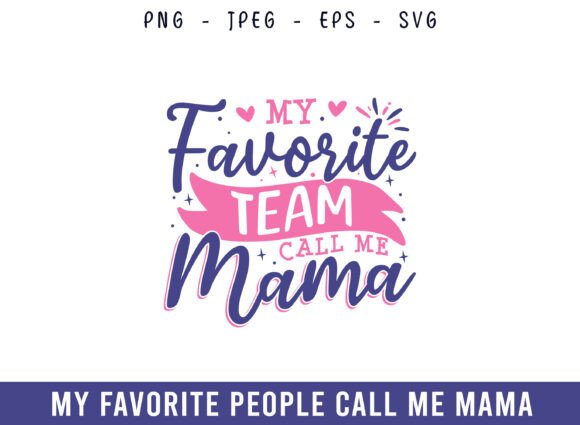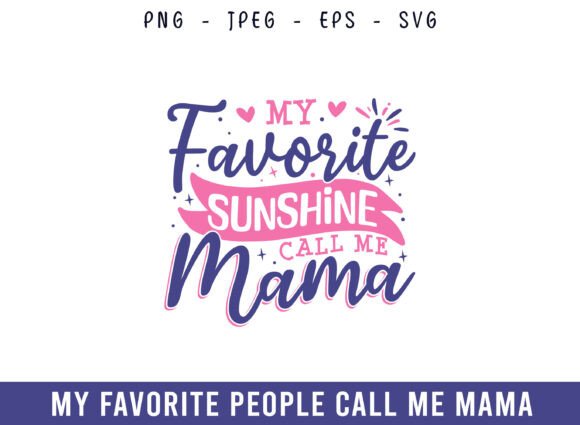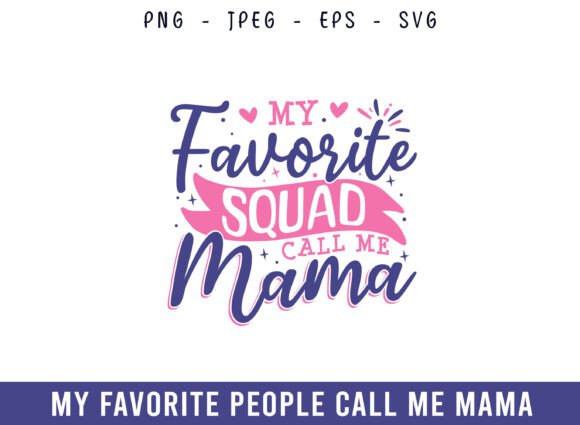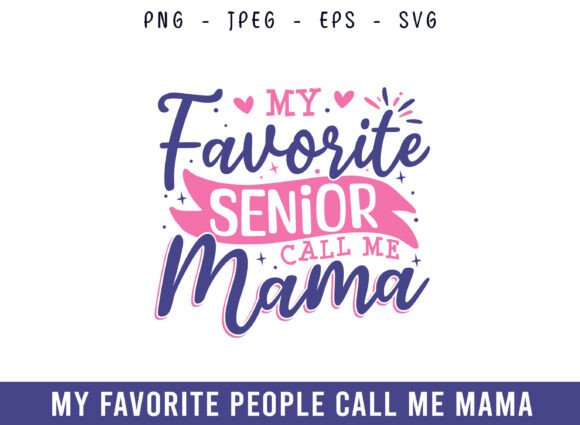
My Favorite Pumpkin Call Me Mama Design Review
As a professional embroidery digitizer and product reviewer, I approach every new graphic with a critical eye toward stitchability. When evaluating the My Favorite Pumpkin Call Me Mama Design, my primary focus is not just on its aesthetic charm for Mother’s Day or autumn sales, but on how those vector shapes will actually translate into thread on fabric. This design sits at the intersection of seasonal crafts and evergreen family apparel, making it a high-potential asset for Etsy sellers and boutique owners. However, moving from a digital SVG file to a tangible embroidered patch or sweatshirt requires understanding the specific behavior of this artwork in a production environment.
Translating Vector Shapes to Stitch Types
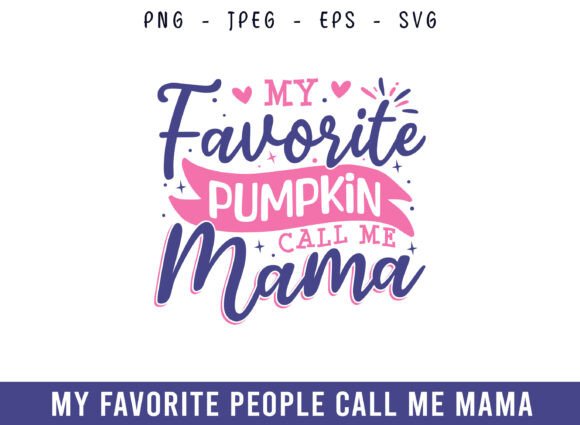
The product description highlights that this graphic is made with 100 vector shapes and is fully re-sizable. For an embroidery designer, this is excellent news because it suggests clean lines rather than rasterized pixels. Clean vectors are the foundation of a high-quality machine embroidery design. When I look at the layout of "My Favorite Pumpkin," I immediately assess where satin stitches, fill stitches, and running stitches should be applied. The lettering in "Call Me Mama" likely requires a smooth satin column or a specialized font conversion to maintain legibility, while the pumpkin element offers an opportunity for texture.
If you are using this as an applique design, the vector outlines serve as perfect placement guides. The ability to resize without losing integrity means you can adapt this single digital embroidery file for vastly different projects. You might use a 4x4 hoop size for a baby onesie chest placement and scale it up to a 6x10 hoop for a tote bag design. However, remember that resizing affects stitch density. If you enlarge the design significantly for a sweatshirt embroidery project, you must verify that the fill areas do not become sparse or that the satin columns do not exceed your machine’s maximum width, which could cause looping or thread breaks.
Real-World Application: The Autumn Sweatshirt Test
To truly judge the viability of this graphics asset, I mentally placed it in a real-life production scenario: creating a custom fleece crewneck sweatshirt for a fall boutique collection. Fleece is a textured fabric that can swallow fine details. In this context, the My Favorite Pumpkin Call Me Mama Design needs to hold its own against the nap of the fabric.
For this handmade product, I would prioritize bold elements over intricate shading. The pumpkin shape works beautifully as a layered applique or a dense fill stitch block that sits on top of the fleece texture. The phrase "Call Me Mama" serves as the emotional hook; therefore, the lettering must be substantial enough to remain readable after washing. If the original vectors are too thin, they may need to be thickened during the digitizing process to accommodate the loft of the fleece. This design naturally lends itself to a cozy, nostalgic mood, making it ideal for holiday embroidery collections or personalized gifts for new mothers navigating their first autumn with a baby.
Fabric Considerations and Stabilizer Strategy
Versatility is claimed in the product description, noting suitability for dark t-shirts, white t-shirts, and mugs. As an apparel decorator, I know these substrates behave differently. A lightweight cotton t-shirt requires a completely different stabilizer strategy than a ceramic mug or a canvas tote.
- Stretchy Knits: When stitching this design onto a t-shirt, use a cut-away stabilizer to prevent puckering. Because the design involves text and a distinct shape, any distortion will be immediately obvious to the customer.
- Dark Fabrics: The note about easy color changes for dark shirts is crucial. White or light-colored thread on black fabric shows every imperfection. Ensure your underlay stitches are sufficient to create a solid base so the top threads do not sink into the garment.
- Mugs and Hard Surfaces: While the SVG is compatible with mug presses, remember that embroidery files cannot be used directly on mugs. This graphic serves as a template for sublimation or vinyl, while the embroidery version remains strictly for textiles. Do not confuse the two production methods when listing commercial embroidery products.
Always test the design on scrap fabric first. Check thread color contrast specifically for the pumpkin stem and facial features if applicable. On a cream-colored sweatshirt, a beige pumpkin might disappear. Increasing the contrast ensures the finished product photographs well for printable mockups and social media marketing.
Commercial Viability for Small Business Owners
For Etsy sellers and creative entrepreneurs, time is money. The My Favorite Pumpkin Call Me Mama Design offers strong commercial potential because it targets two massive niches simultaneously: seasonal shoppers and mom-centric buyers. The visual personality feels warm and approachable, which builds customer trust. It avoids being overly cutesy, allowing it to appeal to adult women purchasing for themselves rather than just children's wear.
However, professionalism comes from execution. Before selling this as part of your craft business inventory, confirm the licensing terms. Just because a file is sold as an SVG does not automatically grant commercial rights for mass-produced embroidered patches or digital resale. Verify that you are permitted to sell finished items featuring this artwork. Additionally, consider how this design fits your brand consistency. Does the playful yet sentimental tone match your existing shop aesthetic? Using cohesive design assets helps buyers recognize your work instantly.
Technical Precautions for Detailed Areas
While the vector nature of this graphic is a benefit, caution is required in detailed corners and small text. If you attempt to shrink this design down for a hat or cap, the internal details of the pumpkin or the serifs in the typography may merge. Caps present unique challenges due to their curved surface and center seam. I recommend avoiding placing complex text directly over the seam of a structured cap.
Furthermore, pay attention to stitch density in the pumpkin area. If the design uses a heavy fill stitch and you are working with thin fabric like quilting cotton for a pillow cover, the fabric may tear or pucker despite using stabilizer. In such cases, reducing the density or utilizing a lighter fill pattern is advisable. Always inspect small details under magnification or zoom before sending the file to your machine. A few minutes of editing can save hours of unpicking thread on a ruined garment.
Final Verdict for Makers and Designers
The My Favorite Pumpkin Call Me Mama Design represents a solid starting point for autumn and Mother’s Day collections. Its vector construction allows for the flexibility needed in modern commercial embroidery, provided the user respects the technical limitations of thread and fabric. Whether you are creating a personalized gift for a client or stocking your small shop product line, success lies in testing and adaptation.
Treat this graphic as a blueprint rather than a final command. Adjust thread colors to match current fashion trends, modify densities for your specific substrate, and always run a sew-out before committing to a full production run. By applying professional judgment to this digital asset, you transform a simple SVG into a high-value, sellable commodity that resonates with customers and showcases your craftsmanship. Remember to check all technical specifications regarding file formats and compatibility with your specific embroidery software before purchase to ensure a seamless workflow.