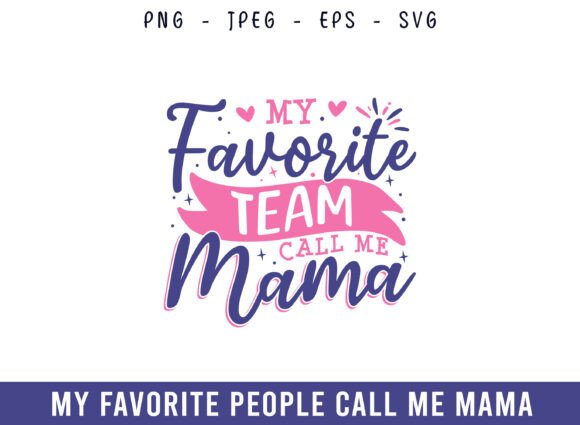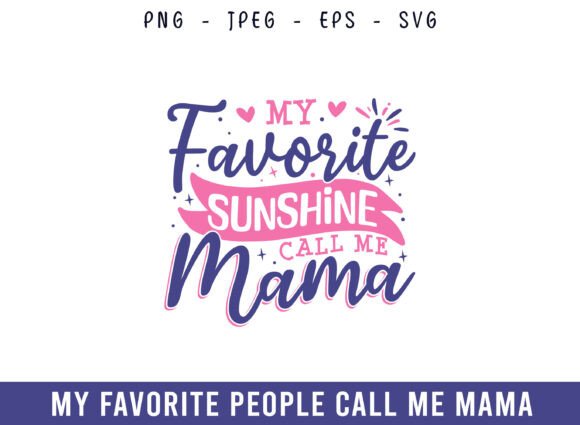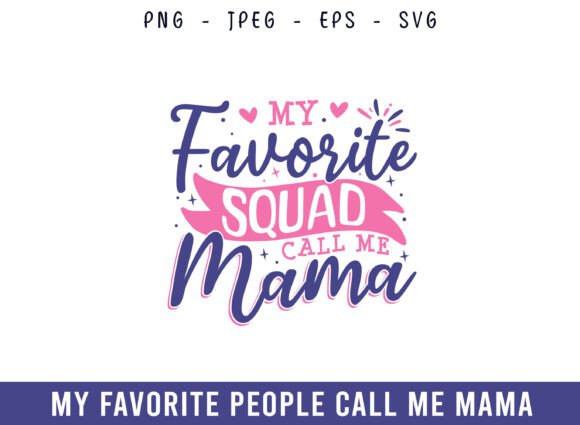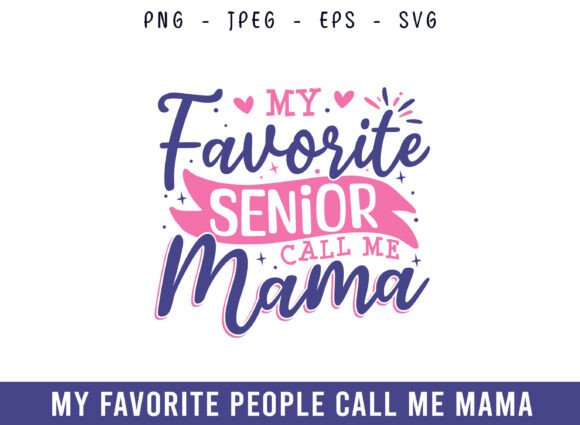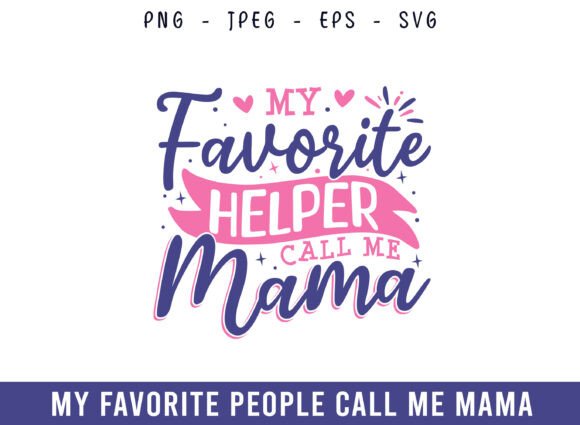
My Favorite Helper Call Me Mama Design Review
As a professional embroidery digitizer and product reviewer, I approach every new graphic with a critical eye toward stitchability. When evaluating the My Favorite Helper Call Me Mama Design, my primary focus is not just the sentimental value of the phrase, but how those vector shapes will translate into physical thread on fabric. This design falls squarely into the high-demand category of personalized gifts and custom apparel, specifically targeting mothers and family-oriented merchandise. However, moving from a digital SVG file to a finished embroidered product requires understanding the interplay between clean vector lines and the realities of needle penetration.
First Impressions: Vector Cleanliness and Emotional Resonance
Upon opening the source files, the first thing I assess is the integrity of the vector paths. The product description notes that this graphic is made with 100% vector shapes and is fully resizable. For an embroidery designer, this is excellent news. Unlike raster images that pixelate when scaled, true vectors allow us to adjust the size without losing edge definition. This is crucial for a machine embroidery design intended for multiple applications, from a small chest logo on a baby onesie to a large centerpiece on a tote bag.
Visually, the layout of "My Favorite Helper Call Me Mama" strikes a balance between playful and legible. The typography appears open enough to accommodate satin stitch columns without becoming too dense, which is a common pitfall in text-heavy embroidery files. The mood is warm and appreciative, making it an ideal candidate for Mother’s Day specials or year-round mom-centric merchandise. As a graphic asset, it possesses the versatility needed for both dark and light backgrounds, provided the digitizer plans the underlay correctly during the conversion process.
Real-World Application: Stitching a Custom Sweatshirt
To truly judge this design, I mentally simulate a real production scenario. Let’s consider creating a custom embroidered sweatshirt for a boutique client who wants a matching set for herself and her toddler. Sweatshirts are typically fleece-backed cotton blends, which present specific challenges regarding fabric texture and stability.
In this scenario, the My Favorite Helper Call Me Mama Design would likely serve as a left-chest placement or a centered back print. Because the design relies on clear lettering, I would prioritize a sturdy cutaway stabilizer to prevent the letters from sinking into the fleece nap. If I were digitizing this for a sweatshirt, I would add a tatami fill underlay beneath any solid areas and a running stitch underlay beneath satin columns to anchor the fabric before the decorative stitches lay down. This ensures the text remains crisp and readable after washing.
For the toddler’s matching item, resizing is necessary. Here, the "100% vector" claim is tested. Scaling down requires adjusting stitch types; what works as a satin stitch on an adult sweatshirt might need to become a running stitch or a thinner column on a child’s garment to avoid stiffness. This design’s clean geometry suggests it will scale down well, maintaining its charm without becoming a bulletproof patch of thread that distorts the lightweight fabric.
Navigating Fabric Variables and Hoop Constraints
Versatility is a selling point, but it also introduces risk. This design is marketed for t-shirts, mugs, and various apparel, yet each substrate demands a different approach. When using this graphics package for embroidery projects, you must consider where caution is required.
- Stretchy Knits: On thin t-shirts, dense fill stitches can cause puckering. Always test the stitch density on scrap fabric first. You may need to reduce density by 10-15% compared to standard settings to maintain the drape of the shirt.
- Dark Fabrics: The description mentions easy color changes for dark t-shirts. In embroidery terms, this means ensuring your digitized file includes adequate contrast. White thread on black fabric looks smaller than black thread on white fabric due to optical illusion. You may need to slightly increase the width of satin stitch columns when stitching on dark garments to maintain visual weight.
- Curved Surfaces: If adapting this for caps or curved sleeves, horizontal text alignment can appear distorted. You may need to arc the text subtly in your embroidery software to compensate for the curve, ensuring the final product looks straight to the human eye.
- Textured Materials: For tea towels or canvas tote bags, the fabric weave can compete with fine details. Ensure the smallest elements of the design are large enough to remain distinct against the background texture.
Commercial Viability for Etsy Sellers and Makers
For creative entrepreneurs and Etsy sellers, the value of a design lies in its ability to convert viewers into buyers. The My Favorite Helper Call Me Mama Design has strong commercial potential because it targets a specific emotional niche. However, professionalism separates hobbyists from sustainable businesses. Your finished product reflects directly on your brand consistency.
When listing items featuring this design, use printable mockups to showcase versatility, but always include photos of actual stitched samples. Customers trust sellers who demonstrate they have physically tested the embroidery file. Show close-ups of the stitch clarity on different fabrics. If you are selling the digital embroidery file itself rather than the finished good, be transparent about recommended hoop sizes and skill levels. Confirm licensing terms explicitly; ensure you have the right to sell finished handmade products versus selling the digital assets themselves. Misunderstanding license scope is a common error that can jeopardize a craft business.
Technical Notes for Optimal Stitch Quality
Before loading this design into your machine for a client order or personal project, run through this practical checklist to ensure professional results:
- Verify File Compatibility: While the source is SVG, confirm your specific machine format (PES, DST, JEF, etc.) retains all node information during conversion. Sometimes auto-digitizing features miss internal cutouts in letters like 'A' or 'O'.
- Check Thread Colors: Plan your palette ahead of time. Test thread contrast against your chosen fabric in natural lighting. What looks good on a screen may lack definition in physical form.
- Stabilizer Selection: Do not rely solely on tear-away for knit fabrics. Use cutaway for stretchy materials to prevent distortion over time. For mugs or hard substrates (if using a specialized attachment), ensure the design footprint fits within the safe stitch area.
- Test Stitch-Out: Never skip the test run on similar scrap fabric. Inspect registration marks and corner alignment. If the design includes multiple colors, check for jump stitches that require trimming.
- Wash Testing: For baby embroidery or kitchen textiles, wash and dry the test piece to check for shrinkage or thread tension issues before delivering to a customer.
Final Verdict on Design Utility
The My Favorite Helper Call Me Mama Design offers a solid foundation for makers looking to expand their Mother’s Day or family-themed inventory. Its vector construction provides the flexibility needed for modern commercial embroidery, allowing for adaptation across everything from nursery decor to wearable apparel. Success with this design depends less on the graphic itself and more on the maker's willingness to respect the technical requirements of translating digital art into thread. By paying attention to stabilizer choices, density adjustments, and fabric-specific modifications, this design can become a reliable bestseller in your handmade shop or a cherished element of your personal crafting repertoire. Always remember that in the world of Crafts and Graphics, the most beautiful file is one that stitches out flawlessly on the intended material.