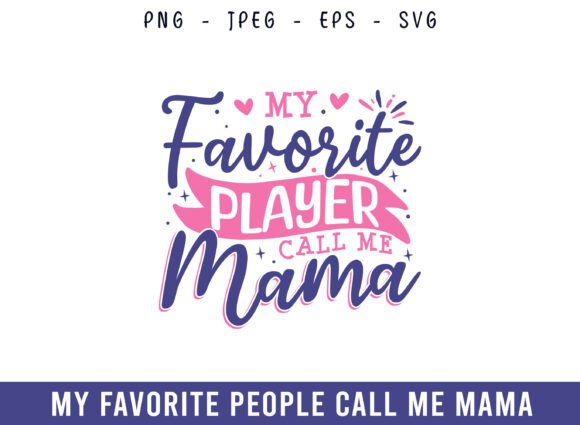
My Favorite Football Player Call Me Mama Design Review
As a designer who has digitized and stitched out thousands of files for commercial clients and personal craft businesses, I approach every new machine embroidery design with a healthy dose of skepticism. The market is flooded with graphics that look perfect on a screen but turn into thread nests or illegible messes once they hit the hoop. When I first evaluated "My Favorite Football Player Call Me Mama," I wasn't just looking at a cute sentiment; I was analyzing its structural integrity for real-world production. This review breaks down how this specific graphic performs when translated from a digital vector file into a tangible handmade product, specifically focusing on its viability for small business owners and serious hobbyists.
First Impressions: Vector Quality and Emotional Resonance
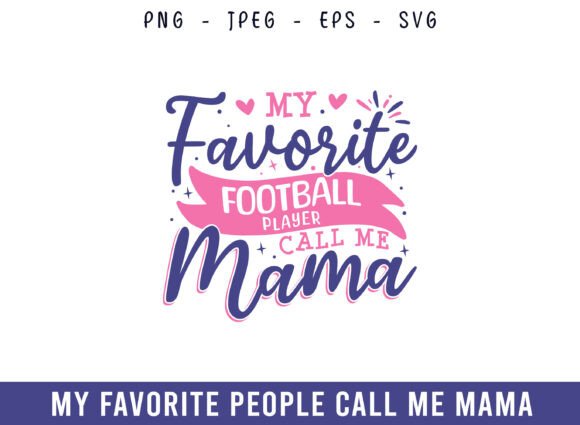
The immediate strength of "My Favorite Football Player Call Me Mama" lies in its clear visual hierarchy. In the realm of Crafts and Graphics, sports-themed maternal designs often suffer from cluttered layouts or overly complex shading that doesn't translate well to thread. This design, however, utilizes 100% vector shapes. For an embroidery digitizer or a crafter using vinyl, this is a significant advantage. Vectors mean clean lines and infinite scalability without pixelation. When I opened the source file, the separation between the football iconography and the typography was distinct. This clarity suggests that whether you are creating a custom apparel piece like a sweatshirt or a smaller item like a bib, the proportions will remain balanced.
Emotionally, the design strikes a specific niche. It isn't generic; it targets the proud sports mom demographic with precision. From a sales perspective, this specificity drives engagement. When a customer sees this embroidery project concept, they aren't just buying a shirt; they are buying an identity. The layout allows for easy color manipulation, which is critical when adapting for dark versus light garments. A design that requires extensive re-digitizing to work on a navy blue hoodie is a time sink; this asset appears optimized for quick turnaround, respecting the busy schedule of an Etsy seller or boutique owner.
Real-World Application: Stitching Out a Game Day Sweatshirt
To truly judge this design, I mentally walked through a recent client request: a custom game day sweatshirt for a youth football league coordinator. She wanted something she could wear on the sidelines that felt professional yet personal. "My Favorite Football Player Call Me Mama" was the ideal candidate, but the execution required careful planning. Sweatshirt fleece is textured and prone to shifting, making it a challenging canvas for detailed text.
In this scenario, the design’s adaptability shone. Because the graphic elements are distinct, I could separate the football motif from the text if needed to accommodate the curve of a chest placement or to avoid seam allowances. For the lettering, I opted for a sturdy satin stitch border with a fill stitch interior to ensure readability against the heather gray fabric. If this were a standard raster image, resizing for a large adult XL sweatshirt might have resulted in jagged edges. However, the vector nature of this digital embroidery file meant the curves remained smooth even at a 10-inch width. The result was a finished product that looked retail-ready rather than homemade, directly impacting the perceived value and customer trust.
Navigating Fabric Variables and Hoop Limitations
While the design is versatile, it demands respect for material science. Not every fabric texture is compatible with every font style. If you plan to use this design on a stretchy performance tee or a thin baby onesie, you must adjust your expectations and your stabilizer strategy. The phrase "Call Me Mama" likely contains thinner strokes compared to the bold "Football Player" text. On unstable knits, those thinner strokes can tunnel or distort if the stitch density isn't managed correctly.
I strongly advise testing this design on scrap fabric before committing to a final personalized gift. For dark fabrics, ensure you have a version of the design that accounts for underlay or color contrast. White thread on a black t-shirt requires different tension and backing than navy thread on white cotton. Furthermore, be mindful of your hoop size. While the design is resizable, reducing it too much for a baby embroidery project or an embroidered patch may cause the letters to merge. Always check the minimum legible size for the specific font used in this graphic. If the details disappear below three inches wide, reserve this design for tote bags, aprons, and adult apparel, and seek a simplified variation for infant wear.
Commercial Viability for Makers and Sellers
For the craft business owner, time is money. "My Favorite Football Player Call Me Mama" offers high commercial potential because it bridges two massive niches: sports and motherhood. This duality makes it excellent for seasonal spikes, particularly around Mother’s Day and the start of football season. As an Etsy seller, you can leverage this design across multiple SKUs without it feeling repetitive. Use the full design for a tote bag design, isolate the text for a mug, and use just the football element for a sleeve accent on a kid's jersey.
However, professionalism extends beyond the stitch-out. Before listing any small shop product, verify your licensing. Ensure you have the right to sell finished items versus digital files. Additionally, invest time in creating high-quality printable mockups. Since this design allows for easy color changes, showcase it on both white and dark backgrounds in your listing photos. Customers need to visualize the contrast. A flat digital preview rarely sells as well as a photo of the actual sweatshirt embroidery or a realistic mockup draped over a garment. This visual proof reduces return rates and increases buyer confidence.
Essential Designer Notes for Success
Before you load this embroidery file into your machine or cutting software, run through this practical checklist derived from years of production experience:
- Test Stitch on Target Fabric: Never assume settings transfer perfectly. Run a test on the exact material you intend to use, especially for holiday embroidery gifts where mistakes are costly.
- Verify Thread Colors: Check the color chart against your physical thread inventory. Screen colors often differ from polyester or rayon realities. Ensure sufficient contrast for readability.
- Stabilizer Selection: Match the backing to the fabric weight. Use cut-away for knits and tear-away for wovens. For caps or curved surfaces, consider specialty adhesives to prevent flagging.
- Resize with Caution: While vectors scale infinitely, stitches do not. If resizing significantly, re-evaluate pull compensation and underlay. A 50% reduction may require a complete re-digitize to maintain clarity.
- Mockup Validation: Create black and white versions of your previews to test contrast accessibility. If the design fails in grayscale, it may fail on certain fabric colors.
- Licensing Compliance: Confirm whether this asset permits commercial embroidery on finished goods or restricts usage to personal projects. Protect your business by adhering to terms.
"My Favorite Football Player Call Me Mama" is more than just a seasonal trend; it is a functional design asset that, when treated with technical respect, yields beautiful results. Whether you are crafting a custom apparel line for a local team or stitching a heartfelt gift for a new mom, success lies in understanding the relationship between the digital file and the physical thread. By prioritizing fabric compatibility, proper stabilization, and professional presentation, you transform a simple graphic into a cherished keepsake that celebrates both the love of the game and the pride of motherhood.