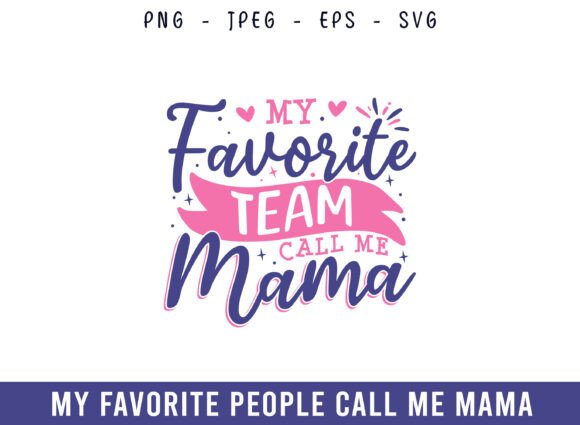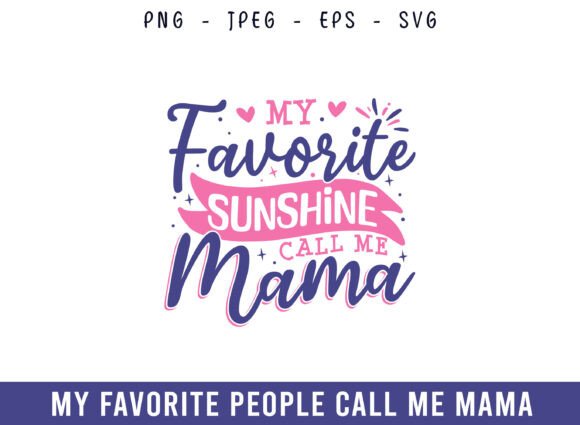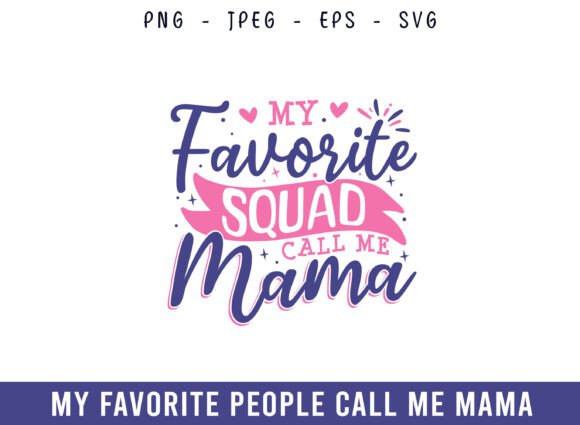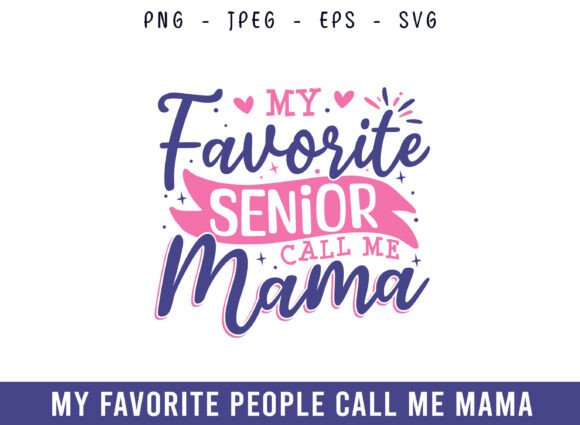
My Favorite Angel Call Me Mama Design Review
As a professional embroidery digitizer and product reviewer, I approach every new graphic with a specific question: will this translate beautifully from screen to stitch? When evaluating the My Favorite Angel Call Me Mama Design, my focus shifts immediately to its dual nature. Marketed primarily as an SVG for vinyl and sublimation, this vector-based artwork holds significant promise for machine embroidery adaptation, provided you understand how to leverage its 100% vector composition. For craft business owners and Etsy sellers targeting the Mother’s Day niche, this design offers a sentimental aesthetic that resonates deeply, but successful execution on fabric requires a strategic eye toward digitizing and material selection.
First Impressions: Sentimental Weight and Vector Precision
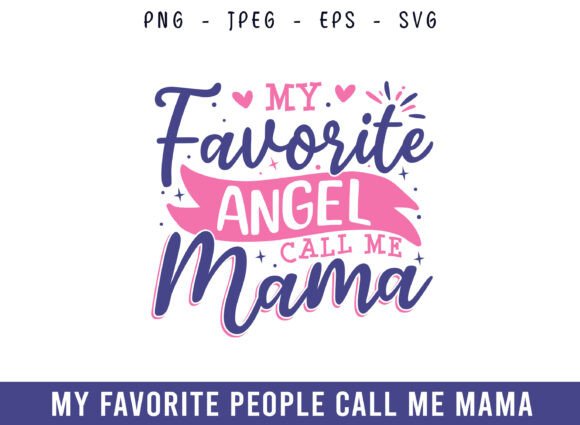
The visual personality of this design is undeniably tender. It strikes a balance between reverence and warmth, making it ideal for memorial projects or celebrating new motherhood. Because the source file consists of clean vector shapes rather than rasterized pixels, the lines are crisp and infinitely resizable without degradation. This is a massive advantage for embroidery designers. When I import a vector into digitizing software, I am not tracing jagged edges; I am working with mathematical paths that convert smoothly into satin stitches or fill areas.
The layout typically centers around the "Angel" motif integrated with the text "Call Me Mama." In a digital mockup, this looks seamless. However, as an embroidery project, the designer must assess the negative space. Is there enough room between the angel’s wings and the script font to prevent thread buildup? The clean geometry suggests it will digitize well, but the emotional weight of the piece demands perfection. A sloppy stitch-out on a memorial sweatshirt or a baby blanket isn't just a technical failure; it feels like a personal one. The design’s inherent elegance sets a high bar for the finished product.
Real-World Application: Stitching a Custom Memorial Sweatshirt
To truly test the viability of the My Favorite Angel Call Me Mama Design, I mentally walked through a recent client request: a custom embroidered sweatshirt for a mother honoring a lost child. This scenario highlights both the strengths and necessary precautions of using this graphic in commercial embroidery.
Sweatshirts present a unique challenge due to their textured fleece interior and stretchy knit face. While the vector art is sharp, stitching directly onto fleece can cause details to sink. For this project, I would treat the design as a hybrid applique design or use a heavy-weight cutaway stabilizer to maintain structural integrity. The phrase "Call Me Mama" likely involves script lettering. In embroidery, script must be converted to satin stitches with adequate width. If the original SVG has thin hairline strokes, they cannot simply be stitched as running stitches on a sweatshirt; they will disappear or break. They must be expanded during the digitizing process to at least 2mm to ensure visibility and durability.
Furthermore, color adaptability is crucial. The product description notes easy color changes for dark or white t-shirts. In embroidery, this translates to managing contrast. On a white sweatshirt, soft pastels or metallic gold threads create a heavenly, ethereal mood. On a navy or black garment, those same pastels might look washed out unless backed by a white underlay or switched to brighter whites and silvers. Testing these thread colors against the specific fabric texture before committing to the final personalized gift is non-negotiable.
Navigating Fabric Limitations and Hoop Constraints
While the My Favorite Angel Call Me Mama Design is versatile, it is not immune to physical limitations. As makers, we must recognize where a design fights against the medium.
- Small Hoop Sizes: If you are working with a 4x4 hoop, resizing this design requires caution. Reducing complex angel wings and script text simultaneously can cause stitch density issues. Letters may merge, and wing details may become indistinguishable blobs of thread. Always check the minimum legible size for your specific machine and thread weight.
- Stretchy and Thin Fabrics: For baby onesies or lightweight tees, the stitch count matters. A dense fill stitch version of this design could distort the garment or cause puckering. Consider using a lighter fill pattern or converting solid areas to applique to reduce needle penetrations and maintain fabric drape.
- Curved Surfaces: Caps and curved tote bags are popular items for mom merchandise. However, flat vector art does not naturally wrap around a cylinder. Distortion is likely at the edges. You may need to manually adjust the digitized file to compensate for the curve, or accept that this design works best on flat surfaces like pillow covers, tea towels, and framed nursery decor.
- Frequent Washing: Kitchen towels and aprons endure harsh laundering. Ensure all elements are securely anchored. Avoid excessive jump stitches that could snag, and verify that satin stitch borders are wide enough to withstand abrasion over time.
Elevating Product Value Through Professional Execution
For Etsy sellers and small shop owners, the difference between a hobbyist output and a professional handmade product lies in the details. Using the My Favorite Angel Call Me Mama Design effectively can significantly boost buyer engagement and trust. Customers purchasing motherhood-themed items are often emotionally invested. They are looking for quality that honors their sentiment.
A clean, well-digitized embroidery file ensures that the design remains recognizable and beautiful even after washing. This consistency builds brand recognition. If you sell digital embroidery files derived from this vector art, providing multiple format variations (e.g., optimized for applique vs. full stitch) adds immense value. For physical products, high-quality printable mockups that accurately represent stitch texture help manage customer expectations. Never use a flat vector image to sell an embroidered item; show the texture. Show the sheen of the rayon or polyester thread. This transparency reduces returns and increases perceived value.
Moreover, consider the commercial embroidery aspect. If you are producing bulk items for a boutique or a hospital bereavement program, efficiency matters. Optimizing the stitch path to minimize trims and color changes saves production time while maintaining the design's integrity. The vector origin of this graphic makes such optimization easier than tracing a low-resolution JPEG, ultimately protecting your profit margins.
Essential Designer Notes Before You Stitch
Before loading this design into your machine or listing it in your shop, run through this practical checklist to ensure success:
- Verify Licensing: Confirm whether your purchase includes commercial rights for selling finished embroidered products or if it is limited to personal use. This distinction is vital for craft business compliance.
- Test on Scrap Fabric: Never stitch a final product without a test run. Use the exact fabric and stabilizer combination intended for the project. Check for registration errors between the angel graphic and the text.
- Assess Stitch Density: Zoom in on your digitized file. Are the satin stitches too wide for the fabric? Is the fill stitch too dense for a baby garment? Adjust parameters based on the specific textile, not just the screen preview.
- Contrast Check: View your mockup in grayscale. If the design loses definition without color, it relies too heavily on hue rather than value. Embroidery must read well in tonal contrast alone.
- Stabilizer Selection: Match the stabilizer to the fabric weight and design density. Cutaway for knits, tear-away for stable wovens, and water-soluble toppings for high-pile fabrics like fleece or terry cloth.
- Detail Inspection: Look closely at the smallest elements of the angel. Can your machine reliably stitch them? If not, simplify. A missing detail is better than a bird's nest of thread breaks.
The My Favorite Angel Call Me Mama Design is a powerful asset for the creative entrepreneur. Its vector foundation provides a superior starting point for embroidery compared to standard raster graphics. By respecting the technical requirements of machine embroidery and approaching each project with intentional testing and material awareness, you can transform this digital graphic into a cherished, tangible keepsake. Whether creating a holiday gift, a boutique staple, or a solemn memorial piece, let your craftsmanship honor the profound message behind the design.