You Can't Scare Me I Have a Crazy: Design Review
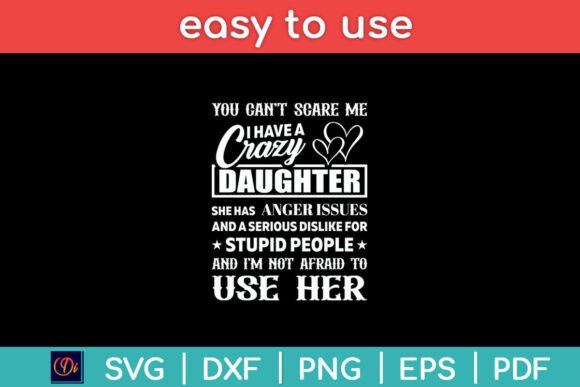
As an embroidery digitizer and product reviewer, I approach every new machine embroidery design with a healthy dose of skepticism. The market is flooded with graphics that look perfect on a screen but turn into thread nests or illegible messes once they hit the hoop. When evaluating "You Can t Scare Me I Have a Crazy," specifically within the context of the CNA and nursing niche, my primary concern is translatability. This design targets a very specific emotional intersection: parental pride mixed with professional resilience. For Etsy sellers, craft business owners, and makers creating personalized gifts for healthcare workers, this isn't just a funny saying; it is a potential bestseller. However, because the source description identifies this as a print cut file compatible with Cricut and Silhouette, we must critically assess its viability as an embroidery project before stitching a single test run.
Visual Personality and Emotional Resonance
The phrase "You Can t Scare Me I Have a Crazy" carries a distinct mood that dictates how the finished product should feel. It is humorous, relatable, and slightly chaotic in an endearing way. In the Crafts category, text-based designs live or die by their typography. For this specific sentiment, the visual personality needs to balance readability with character. A stiff, corporate font would kill the humor, while an overly ornate script might sacrifice legibility on textured fabrics like fleece or terry cloth.
When I review Graphics intended for embroidery, I look for clean lines and purposeful spacing. If you are adapting this SVG for needle and thread, the layout must accommodate the physical limitations of thread. The design naturally lends itself to custom apparel like sweatshirts or tote bags where the wearer wants to broadcast their identity. As a tote bag design or sweatshirt embroidery, it serves as a conversation starter. The value here lies in recognition; a nurse or CNA seeing this on a handmade product immediately feels understood. That emotional connection is what drives buyer engagement and justifies a higher price point for small shop products.
Real-World Application: The Custom Tote Bag Test
To truly evaluate this design, let’s simulate a real-life scenario. Imagine a client requests a custom canvas tote bag as a holiday gift for a CNA mom who also has a toddler. This is a classic use case for holiday embroidery combined with professional appreciation. Canvas is a sturdy fabric, but it has a visible weave that can swallow fine details. If "You Can t Scare Me I Have a Crazy" is digitized with thin running stitches or tiny serif fonts, the result will be disappointing.
In this scenario, I would recommend treating this as a bold statement piece. If the original graphic is intricate, consider simplifying it for the embroidery file. A satin stitch border or a fill stitch background could frame the text effectively without overwhelming the canvas texture. For commercial embroidery purposes, this tote bag represents a high-margin item. Customers trust makers who understand that a joke needs to be readable from three feet away. If the stitching is dense enough to cover the canvas grain but not so dense that it creates a bulletproof patch, the product value increases significantly. This practical judgment separates professional results from amateur attempts.
Navigating Fabric Limitations and Hoop Constraints
Not every surface is friendly to text-heavy designs. While "You Can t Scare Me I Have a Crazy" works beautifully on stable woven fabrics, you must exercise caution elsewhere. Stretchy fabrics, such as performance tees often worn by medical staff, require significant stabilization. Without the proper stabilizer, the letters can distort during washing, turning a funny slogan into a warped mess. I always advise testing on scrap fabric first, especially when working with knits.
Curved surfaces present another challenge. If you plan to use this as a cap design or on a curved pocket, the horizontal span of the text becomes critical. Long phrases like this one often exceed the safe stitching area of standard cap hoops. You may need to reformat the digital embroidery file into an arch or stack the text vertically to maintain clarity. Additionally, be wary of dark fabrics. If the design relies on internal detail rather than solid shapes, contrast is key. Always check thread colors against the garment color in natural light. A white thread on cream fabric might look subtle on screen but invisible in reality. For baby embroidery or items requiring frequent washing, ensure the stitch density is sufficient to withstand abrasion without fraying.
Technical Adaptation: From SVG to Stitch
It is vital to remember that the product description lists this as a print cut file. This means it is vector art, not a native embroidery file. You cannot simply load an SVG into your machine. This distinction matters immensely for creative entrepreneurs and digital product sellers. If you are selling the finished embroidered item, you must either digitize it yourself using software like Hatch or Wilcom, or purchase a professionally digitized version specifically for embroidery.
When converting this graphic, pay attention to the transition points. Vectors have infinite resolution; stitches do not. Corners that look sharp in Illustrator may require pull compensation in embroidery software to prevent gaps. If the design includes any illustrative elements alongside the text, determine if they work better as an applique design or traditional fill. Applique can reduce stitch count and add texture, making it ideal for larger projects like pillow covers or blankets. Always confirm licensing before selling. Just because you bought the SVG doesn't automatically grant you the right to sell the digitized embroidery version or the mass-produced goods. Verify the terms to protect your craft business.
Ensuring Professional Quality and Customer Trust
The difference between a hobbyist and a professional often comes down to quality control. Before listing "You Can t Scare Me I Have a Crazy" merchandise in your Etsy shop, create printable mockups and physical samples. Test the design in black and white to ensure the hierarchy holds up without color crutches. Compare it on both light and dark backgrounds. Inspect small details under magnification; loose top stitches or jagged edges destroy customer trust instantly.
For apparel decorators, consistency is brand equity. If you offer this design on multiple items—from embroidered patches to aprons—the sizing and proportion must remain visually consistent relative to the garment size. A design that looks perfect on an XL hoodie might look comically small on a youth tee. Document your settings. Note which stabilizer worked best for the tea towel versus the denim jacket. This data becomes part of your proprietary workflow. Ultimately, "You Can t Scare Me I Have a Crazy" is a strong candidate for the nursing niche because it speaks a specific language. By applying rigorous technical standards and realistic testing, you transform a simple digital graphic into a premium handmade product that customers are proud to wear and gift.