Eat Sleep Baseball Repeat: Embroidery Design Review
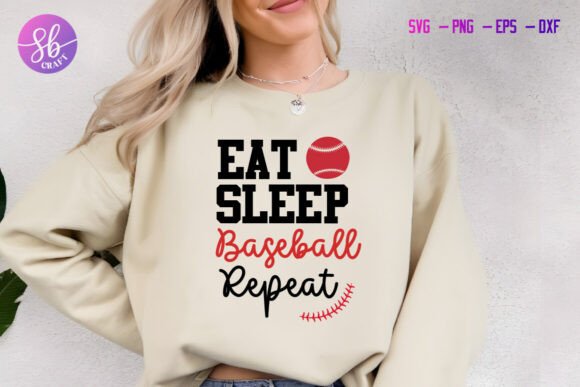
As a professional embroidery designer and product reviewer, I approach every new digital asset with a critical eye toward production viability. When evaluating the Eat Sleep Baseball Repeat Baseball Shirt design file set, my primary focus is not just on the aesthetic appeal of the graphic, but on how it translates from screen to stitch. This design, which taps into the popular "Eat Sleep Repeat" meme format tailored for sports moms and baseball enthusiasts, presents specific opportunities and challenges for makers. Whether you are creating custom apparel for an Etsy shop or stitching a personalized gift for a team mom, understanding the technical behavior of this machine embroidery design is essential for a high-quality finished product.
First Impressions and Visual Hierarchy
Upon opening the embroidery file, the layout immediately communicates a casual, rhythmic energy that fits perfectly within the Crafts category. The typography-driven nature of this design suggests it will perform best as a center chest placement on sweatshirts or as a bold statement on tote bags. Visually, the repetition of text creates a structured block that is pleasing to the eye, but this structure demands precision during digitization. For a handmade product to look professional rather than homemade, the spacing between the words "Eat," "Sleep," and "Baseball" must be consistent. In my assessment, this design carries a strong visual personality that leans towards modern collegiate or boutique athletic wear, making it highly marketable for small business owners targeting the youth sports demographic.
Real-World Application: Stitching a Team Mom Sweatshirt
To truly evaluate this asset, I mentally simulated a real-life production scenario: embroidering a Gildan 18000 sweatshirt for a "Baseball Mom" client order. This is a common request for craft business owners during spring and fall seasons. In this context, the Eat Sleep Baseball Repeat Baseball Shirt design serves as more than just decoration; it is a badge of identity. When stitching this on fleece-backed sweatshirt material, the fabric texture plays a massive role. Fleece can swallow fine details, so if this embroidery file relies heavily on thin running stitch lettering, the result may get lost in the nap of the fabric.
For this specific project, I would recommend verifying if the design includes adequate underlay stitches. A proper tatami or edge-run underlay is non-negotiable when working with stretchy knit fabrics to prevent puckering. If the design utilizes satin stitch columns for the lettering, they must be wide enough to anchor securely without pulling through the fabric. Conversely, if the designer opted for fill stitch lettering to reduce density and prevent bulletproofing (stiff, dense areas), the color contrast becomes paramount. Using white thread on a navy sweatshirt works beautifully, but heather grey fabric might require a darker thread or a backing layer to ensure the text remains legible after washing. This level of scrutiny ensures the personalized gift meets customer expectations for durability and comfort.
Navigating Fabric Limitations and Hoop Constraints
While this graphics package is versatile, there are specific environments where caution is required. Based on the typical complexity of phrase-based designs like Eat Sleep Baseball Repeat Baseball Shirt, users should be mindful of hoop size limitations. If you are attempting to fit this design into a standard 4x4 hoop, the lettering may become too small to stitch cleanly. Text below 6mm in height often results in thread breaks or illegible characters, especially if the font has serifs or intricate curves. Always confirm the physical dimensions of the embroidery file before purchasing or stitching.
Furthermore, consider the stabilization requirements for different substrates. While this design is marketed for shirts, many makers adapt these assets for caps or curved surfaces. Caps present a unique challenge due to the buckram backing and limited stitching area. If this design was digitized flat, it may distort when mapped to a curved cap frame. Similarly, when applying this to lightweight performance tees or baby clothes, the stitch density must be evaluated. Heavy coverage on thin fabric leads to tearing and discomfort. In such cases, using a water-soluble topping and a lightweight cut-away stabilizer is mandatory to maintain the integrity of both the garment and the design. For dark fabrics, always test whether the design includes a knockdown stitch or if you need to add one manually to prevent fabric show-through.
Critical Designer Notes for Production Success
Before listing any finished product derived from this design on your Etsy shop or selling it at a craft fair, adhere to these practical guidelines:
- Test Stitch First: Never run a commercial embroidery job without testing on scrap fabric identical to your final product. Check for registration issues between letters and verify that the stitch density does not create holes in stretchy material.
- Verify Licensing: The product description mentions SVG, PNG, and shirt files, but you must explicitly confirm the commercial license terms for the machine embroidery design. Ensure you have the right to sell physical embroidered items versus just the digital file itself.
- Thread Color Contrast: Create printable mockups and physical samples in both light and dark thread colors. What looks crisp in software may lack definition on actual fabric. Adjust thread colors based on the base garment to maximize readability.
- Stabilizer Selection: Match your stabilizer to the fabric weight. Use tear-away for stable woven fabrics like canvas tote bags, and cut-away for knits and stretchy apparel to ensure the Eat Sleep Baseball Repeat Baseball Shirt design remains stable after laundering.
- Detail Inspection: Zoom in on the smallest elements of the digital embroidery file. If there are decorative accents or tiny icons accompanying the text, ensure they are large enough to stitch out clearly. Remove or resize elements that fall below the minimum stitch threshold for your machine.
Impact on Brand Value and Customer Trust
The quality of your embroidery directly reflects on your brand. When a customer purchases a baseball mom sweatshirt or a custom tote bag featuring this design, they are paying for expertise, not just thread. A well-executed version of Eat Sleep Baseball Repeat Baseball Shirt signals professionalism. Clean edges, proper tension, and appropriate stabilizer usage build trust and encourage repeat business. Conversely, poor execution—such as gapping letters or stiff, board-like stitching—can damage your reputation as a maker.
For digital product sellers and creative entrepreneurs, providing accurate information about this design is equally important. If you are reselling or reviewing this asset, be transparent about its best uses. Highlight that it excels in custom apparel and holiday embroidery projects but requires technical adjustments for caps or sheer fabrics. By offering honest, experience-based insight, you position yourself as an authority in the niche. Ultimately, this design holds significant potential for the sports crafting community, provided it is treated with the technical respect necessary to transform a digital graphic into a cherished, durable handmade product.