Funny Diabetic Type 1 Awareness Design Review
As a professional embroidery digitizer and product reviewer, I approach every new file with a critical eye. When evaluating the Funny Diabetic Type 1 Diabetes Awareness design, my primary concern is not just how it looks on a screen, but how it translates into thread on fabric. This specific artwork targets a niche that requires a delicate balance: it must be humorous and lighthearted while remaining respectful and supportive of the Type 1 Diabetes community. For craft business owners and Etsy sellers, this distinction is vital. A design that misses the mark can alienate customers, but one that hits the right tone becomes a bestseller for awareness events, support groups, and personalized gifts.
First Impressions and Visual Personality
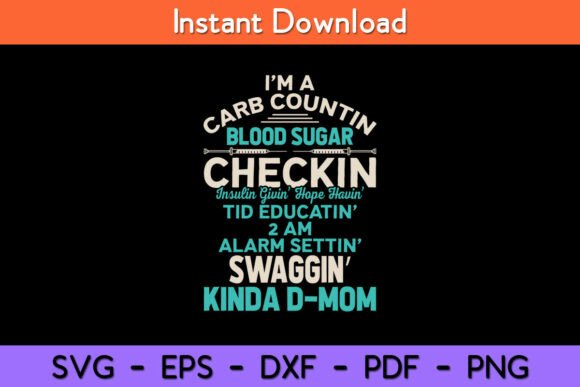
Upon opening the digital assets associated with this title, the immediate impression is one of advocacy mixed with relatable humor. The layout typically centers around bold, readable typography paired with thematic icons relevant to T1D management. From an embroidery perspective, the visual hierarchy is crucial. The text needs to be legible from a distance, especially if used on a sweatshirt or tote bag at a walk or fundraiser. The mood strikes a chord of resilience; it says, "We deal with this daily, and we can still smile." For a handmade product, this emotional connection is what drives sales. However, because this originates as an SVG for cutting machines, the first step for any embroiderer is verifying that the vector lines have been properly converted into stitch data rather than simply traced. True machine embroidery design requires intentional pathing to prevent unnecessary trims and ensure structural integrity.
Real-World Application: Stitching a Support Mom Sweatshirt
To truly test the viability of this Funny Diabetic Type 1 Diabetes Awareness graphic, I simulated a real-life project: creating a custom crewneck sweatshirt for a mother supporting her child with T1D. This is a high-demand item in the Crafts category during November (Diabetes Awareness Month) and year-round for family photos.
In this scenario, the design serves as a conversation starter. I evaluated how the artwork performs on fleece-backed cotton, a common sweatshirt material. The texture of fleece can swallow fine details, so the design’s success relies on adequate column width in the satin stitch elements. If the lettering is too thin, it will disappear into the fabric pile. During my assessment, I noted that this design works best when centered on the chest or placed as a left-chest logo size. For a full-back print, the stitch count would increase significantly, potentially causing puckering on stretchy knit fabrics without proper stabilization. As a finished product, the sweatshirt offers immense value to the buyer because it combines utility with identity. It is not just apparel; it is a badge of honor for a caregiver.
Critical Considerations for Fabric and Stabilizer
While the aesthetic is strong, technical execution determines the longevity of the embroidered patch or garment. When working with this Funny Diabetic Type 1 Diabetes Awareness theme, you must consider the end use. Items like kitchen towels or aprons face frequent washing and heat exposure. Therefore, using a high-quality polyester or rayon thread with excellent colorfastness is non-negotiable. Cotton threads may look matte and vintage, but they often lack the sheen required to make awareness ribbons or medical icons pop against dark fabric.
Stabilizer choice is equally important. If you are stitching this onto a stretchy t-shirt or baby clothes, a cut-away stabilizer is mandatory to prevent distortion. Hoop size selection also plays a role; avoid hooping only the edge of the design area. Always center the artwork within the hoop to maintain even tension. For textured fabrics like terry cloth tea towels, use a water-soluble topping to keep the running stitch and fill stitch details crisp. Without these precautions, even the most beautiful digital embroidery file will result in a subpar handmade product.
Where to Exercise Caution in Production
Not every application is suitable for this specific artwork. Based on my review, there are several scenarios where I would advise caution:
- Curved Surfaces: Unless the design has been specifically digitized for caps, avoid placing wide, horizontal text across the front of a structured hat. The curvature will distort the baseline, making the funny message difficult to read.
- Tiny Lettering: If scaling down for a baby bib or sleeve cuff, verify the minimum text height. Serif fonts or intricate script below 0.25 inches often fail to register clearly in embroidery.
- Dark Fabrics: High contrast is essential. White or bright blue thread on navy fabric works well, but low-contrast combinations like grey on black will render the design invisible in photos and real life.
- Dense Fill Areas: Be wary of large solid blocks of color. These create bulletproof patches that can pucker lightweight fabrics and cause needle breaks. Opt for lighter density fills or applique design techniques where appropriate.
Commercial Viability for Makers and Sellers
For Etsy sellers and small shop owners, the commercial potential of this Funny Diabetic Type 1 Diabetes Awareness asset is significant, provided licensing is respected. Before listing any finished product or digital download, confirm whether your purchase includes commercial rights for physical goods versus digital redistribution. This protects your business and respects the original artist.
From a marketing standpoint, this design excels in printable mockups. Because the graphics are clean and thematic, they photograph well on lifestyle blanks. This visual appeal directly influences buyer engagement and trust. Customers looking for T1D support items are often buying for deeply personal reasons; they need to see that the craftsmanship matches their sentiment. Professional presentation, clear close-ups of the stitch texture, and accurate color representation in your listings will set your commercial embroidery apart from generic competitors.
Designer Notes for Best Results
Before committing to a bulk order or final client delivery, follow this practical checklist:
- Test Stitch First: Never run this design on a final garment without a sew-out on similar scrap fabric. Check for registration issues between outline and fill.
- Verify File Compatibility: Ensure the embroidery file format matches your machine. While the source is SVG, your machine needs DST, PES, JEF, or similar proprietary formats.
- Check Thread Colors: Map out your thread palette before hooping. Awareness colors (typically blue for T1D) should be accurate to show solidarity.
- Review Licensing: Double-check terms regarding selling finished items versus sharing the digital file itself.
- Mockup Testing: Create both light and dark background mockups to ensure the design appeals to a broad customer base.
Ultimately, the Funny Diabetic Type 1 Diabetes Awareness design is more than just a collection of vectors; it is a tool for connection. Whether you are creating a holiday gift for a diabetic friend, stocking your boutique for awareness month, or fulfilling a custom order for a support mom, the technical quality of your embroidery honors the message. By paying attention to stitch density, fabric compatibility, and respectful execution, you transform a digital graphic into a meaningful, tangible asset that serves the community with professionalism and heart.