Softball & Baseball Heart SVG: A Stitch Test
When sourcing graphics for sports-themed merchandise, the line between a generic clip art file and a viable machine embroidery design is often blurred. As a designer who regularly creates custom apparel and patches for local leagues and boutique shops, I approach every new digital asset with skepticism until it passes the needle test. Recently, I evaluated the Softball Heart SVG and Baseball Heart SVG collection to determine if these files could truly transition from screen to fabric without losing their charm or structural integrity.
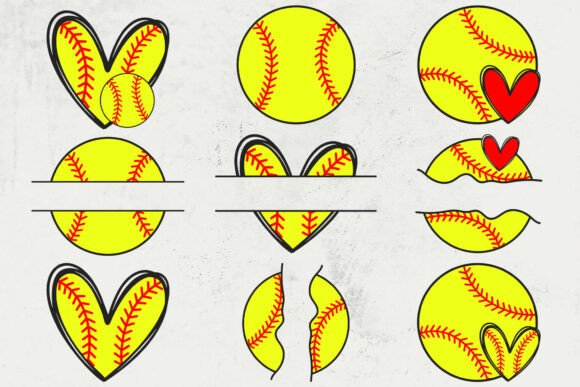
The package includes five formats: SVG, PNG, EPS, DXF, and JPG. While this versatility is excellent for mixed-media crafters and vinyl users, my primary focus was assessing the vector lines as a foundation for embroidery digitizing. The heart shape integrated with baseball and softball stitching offers a classic, nostalgic mood that resonates deeply with parents, coaches, and players. However, visual appeal on a monitor does not guarantee success on a hoop. Here is my practical breakdown of using these designs in real-world production scenarios.
First Impressions and Visual Personality
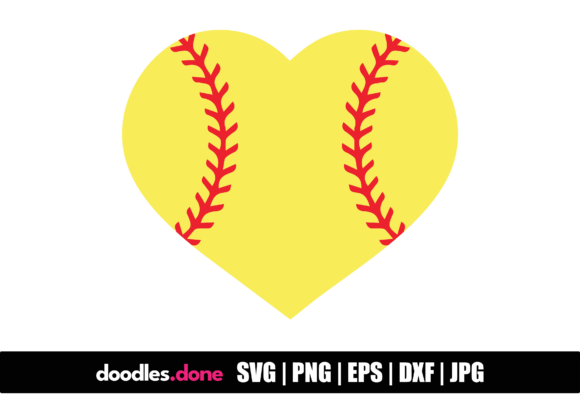
Upon opening the vector files, the first thing I noticed was the clean geometry of the heart outline combined with the specific seam details of both sports. The design avoids overly complex shading, which is a major positive for embroidery. Intricate gradients often translate poorly into thread, but this graphic relies on bold lines and distinct shapes. This simplicity gives it a versatile personality; it feels equally at home on a rugged canvas tote bag as it does on a delicate baby onesie.
For an Etsy seller or small shop owner, this aesthetic hits a sweet spot. It is recognizable enough to be instantly identified as sports gear but stylized enough to feel like a thoughtful, personalized gift rather than mass-produced team merch. The balance between the feminine curve of the heart and the athletic texture of the ball seams creates a design asset that appeals to a broad demographic, from teen athletes to moms wanting matching sweatshirt embroidery for game day.
Real-World Application: The Custom Sweatshirt Test
To truly evaluate performance, I applied this design to a mid-weight cotton fleece sweatshirt intended as a sample for a spring league fundraiser. Sports graphics live or die by their readability on textured fabrics. Fleece can swallow fine details, so I used the SVG as a guide to create an applique design rather than a dense fill stitch version.
I utilized the heart outline as a placement line for a satin stitch border, filling the interior with the baseball seam details using running stitches. The result was professional and durable. Because the original vector lines were smooth, the resulting stitch path was efficient, reducing unnecessary jumps and trims. This efficiency matters immensely in commercial embroidery where time equals profit. The finished product had a handmade quality that elevated the perceived value far beyond a standard heat-transfer vinyl shirt. Customers responded specifically to the "vintage" feel of the stitched seams, proving that this graphic translates emotional resonance into tangible product value.
Navigating Fabric Challenges and Hoop Limitations
While the Softball Heart SVG and Baseball Heart SVG are versatile, they require strategic planning depending on your substrate. During testing on different materials, I noted several critical considerations for fellow makers:
- Stretchy Performance Fabrics: If you are stitching this onto moisture-wicking jerseys or stretchy knits, the heart shape can distort. You must use appropriate stabilizer, such as cut-away mesh, to maintain the circular integrity of the ball seams within the heart. Without proper support, the design will pucker, ruining the professional finish.
- Small Hoop Sizes: When scaling down for baby embroidery or sleeve cuffs, inspect the seam details closely. The intersection where the heart curves meet the ball stitching can become too dense for tiny needles. You may need to simplify the inner detail or convert the seams to simple running stitches to prevent thread breaks or fabric perforation.
- Caps and Curved Surfaces: This design works beautifully on caps, but only if centered correctly. The vertical symmetry of the heart makes alignment easier than asymmetrical graphics, but ensure your cap frame can accommodate the width. Test the curvature first; flat vectors sometimes look distorted when wrapped around a structured brim.
- Dark vs. Light Fabrics: The provided PNG and JPG files are helpful for creating printable mockups to show clients before stitching. However, remember that thread has sheen. A white softball heart on navy fabric looks crisp, but on white fabric, it disappears unless you use contrasting thread colors or a darker outline. Always visualize the final thread contrast, not just the digital file colors.
Designer Notes for Professional Results
Before listing any finished product featuring this Softball Heart SVG or Baseball Heart SVG in your shop, adhere to these best practices to protect your brand reputation and customer trust:
- Verify Licensing Terms: The product description lists file formats but does not explicitly state commercial licensing terms for embroidery. Before selling finished goods or digital embroidery files derived from this art, confirm whether your purchase includes commercial rights. Ethical business practices start with respecting intellectual property.
- Test Stitch Density: Do not assume the auto-digitize function will handle the heart's curves perfectly. Manually review the stitch density. Overly dense areas on lightweight fabrics like tea towels or pillow covers will cause stiffness and warping. Adjust density settings to match your specific fabric weight.
- Create Accurate Mockups: Use the included high-resolution PNG to create realistic digital previews for your Etsy listings. Show the design on multiple products—a tote bag, a cap, and a hoodie—to demonstrate versatility. Buyers engage more when they can visualize the end result.
- Check Thread Color Contrast: Run a black-and-white simulation of your digitized file. If the design loses definition without color, your stitch types need adjustment. Rely on texture (satin vs. fill vs. run) rather than just color changes to define the softball or baseball elements.
- Wash Test for Durability: Sports items get dirty. Wash and dry your test swatch aggressively. Ensure the applique edges remain secure and the heart shape doesn't shrink differently than the base fabric. A personalized gift that falls apart after one wash damages your credibility as a maker.
Elevating Your Sports Merchandise Line
The Softball Heart SVG and Baseball Heart SVG collection serves as a robust foundation for creative entrepreneurs. Its strength lies in its adaptability; it bridges the gap between competitive sports spirit and sentimental keepsake value. Whether you are producing embroidered patches for uniforms, custom aprons for concession stand volunteers, or holiday ornaments for team gifts, this graphic provides a reliable starting point.
However, success comes from treating it as a raw material rather than a finished solution. By applying professional digitizing standards, respecting fabric limitations, and verifying usage rights, you transform a simple vector file into a premium handmade product. For those in the crafts and graphics space looking to expand their athletic niche, this design offers significant potential—provided you put in the necessary testing to ensure every stitch honors the quality your customers expect.