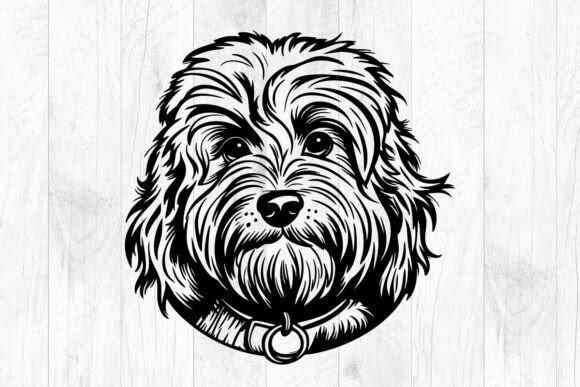
Golden Doodle & Bernedoodle SVG Review
As an embroidery designer who has stitched out countless dog breed files, I approach every new machine embroidery design with a healthy dose of skepticism. We have all downloaded a file that looked perfect on screen only to discover registration issues or excessive density once the needle hits the fabric. When evaluating this Golden Doodle SVG and Bernedoodle Svg bundle, my primary focus was not just on the cute factor, but on how these graphics translate into actual thread on fabric. For those of us running a craft business or managing an Etsy shop, a design is only as good as its stitch-out reliability and its appeal to our specific customer base.
First Impressions: Visual Personality and Layout
Upon opening the ZIP file, which contains separate files for single designs and a RAR bundle, the first thing I assessed was the artistic interpretation of the breeds. Golden Doodles and Bernedoodles are defined by their texture—curly coats, expressive eyes, and distinct silhouettes. A poor vector translation often results in a generic poodle shape, but this digital embroidery file captures the specific "doodle" aesthetic that owners recognize instantly. The lines are confident without being overly complex, suggesting it will digitize well for both applique design work and standard fill stitching.
The mood strikes a balance between playful and polished. It avoids the cartoonish exaggeration that can alienate customers looking for sophisticated custom apparel, yet it retains enough charm to work beautifully for nursery decor or baby embroidery. As a graphic asset, it feels versatile. Whether you are targeting the "Doodle Mom" demographic or creating merchandise for service dog handlers, the visual tone is adaptable. This versatility is crucial for Etsy sellers who need one high-quality asset to serve multiple niches without purchasing redundant files.
Real-World Application: Stitching a Custom Tote Bag
To truly evaluate performance, I mentally mapped this design onto a real project: a heavy-weight canvas tote bag intended as a personalized gift for a client’s dog walking business. Tote bags present unique challenges; the fabric is thick, the weave is coarse, and the surface area is large. For this tote bag design, clarity is paramount.
In this scenario, the Bernedoodle variation would likely shine due to the color-blocking opportunities inherent in the breed's markings. Using a combination of satin stitch for outlines and fill stitch for the body, the design should provide enough coverage to stand out against the canvas texture without becoming bulletproof. I envision pairing the graphic with a simple, bold font for the business name. The key here is contrast. If stitching a Golden Doodle on natural canvas, I would recommend testing darker thread colors or adding a subtle shadow element to prevent the design from disappearing into the background. This level of forethought separates professional handmade products from amateur attempts.
For sweatshirt embroidery, specifically on fleece or French terry, the design’s flow matters. Fleece tends to swallow fine details. Based on the vector structure, this design appears robust enough to handle the loft of sweatshirt fabric. However, I would advise increasing the underlay or using a topping stabilizer to ensure the curls remain defined rather than sinking into the pile. This attention to technical execution builds customer trust and reduces return rates for your small shop product.
Navigating Fabric Challenges and Hoop Limitations
While the Golden Doodle SVG and Bernedoodle Svg are versatile, no design is immune to physics. There are specific scenarios where I would urge caution. If you are planning to use this for embroidered patches or cap designs, verify the dimensions immediately. Curved surfaces like caps distort horizontal width, and intricate doodle fur textures can become muddy if scaled down too aggressively for a 2x3 inch hoop.
Stretchy fabrics, such as ribbed knits or performance tees, require careful stabilization. Because doodle designs often involve organic, swirling shapes, they can pull diagonally. Without adequate stabilizer and proper hooping tension, you risk tunneling or misregistration. I always recommend testing on a scrap of the exact garment material before committing to a final commercial embroidery run. Additionally, be mindful of dark fabrics. Unless the design includes a white underlay base or is specifically digitized for dark garments, light-colored threads on black cotton may require extra passes to achieve opacity, which increases stitch count and production time.
For items requiring frequent washing, such as kitchen towels or baby bibs, inspect the stitch density. Overly dense areas can cause fabric puckering after laundering. While we cannot confirm the exact digitizing parameters without running the file, the visual weight suggests it is balanced. Nevertheless, always wash-test a sample if you are selling personalized gifts meant for daily use. Durability is a hallmark of quality Crafts.
Commercial Viability and Brand Consistency
For creative entrepreneurs, the value of this bundle extends beyond a single stitch-out. Having both Golden Doodle and Bernedoodle options allows for cohesive branding across a product line. You can offer matching family sets—perhaps a "Doodle Mom" mug and a "Service Dog" vest patch—that share a consistent artistic style. This consistency elevates your brand perception. Customers are more likely to return to a shop where the Graphics feel curated and professional rather than disjointed.
When creating printable mockups for listings, ensure the digital preview accurately represents what the embroidery will look like. Do not simply paste the vector onto a shirt image; consider using software that simulates thread texture. Buyers need to visualize the finished texture, not just the flat art. This transparency reduces inquiries and manages expectations regarding the difference between a digital file and a physical finished product.
Essential Designer Notes Before You Stitch
Before loading this embroidery file into your machine, please adhere to these practical checkpoints:
- Verify Licensing: The product description mentions separate files and bundles but does not explicitly state commercial usage terms for digital resale versus physical goods. Always confirm licensing before selling digital assets or mass-producing items.
- Check File Formats: Ensure the included formats match your machine’s requirements. While most machines read standard formats, conversion can sometimes alter stitch paths.
- Test Stitch Density: Run a test on scrap fabric to check for puckering or gaps. Adjust pull compensation in your software if necessary.
- Thread Color Matching: Doodle coats come in many shades (cream, apricot, chocolate, phantom). Create a thread chart specific to this design to streamline future orders.
- Mockup Accuracy: Test the design in black and white mockups to ensure it reads well without color reliance, especially for single-color embroidery projects.
- Stabilizer Selection: Match your stabilizer to the fabric weight. Cutaway for stretchy apparel, tear-away for stable woven fabrics, and water-soluble topping for textured materials.
Ultimately, the Golden Doodle SVG and Bernedoodle Svg bundle presents a strong foundation for holiday embroidery, boutique merchandise, and personalized pet lover gifts. Its success in your studio will depend on your willingness to test, adapt, and apply professional finishing techniques. Treat this file as a starting point for your creativity, validate its performance on your specific equipment, and it can become a reliable staple in your design assets library. Happy stitching!