Cats and Wine Make Everything Fine SVG Review
As a designer who has digitized and stitched out countless whimsical phrases, I approach every new machine embroidery design with a healthy dose of skepticism. We have all downloaded files that look perfect on screen but turn into thread nests or illegible blobs once they hit the hoop. When I first opened the Cats and Wine Make Everything Fine SVG, I wasn't just looking for a cute graphic; I was evaluating it as a potential bestseller for my own craft business and a reliable asset for client projects. This review breaks down how this specific digital download performs when translated from vector graphics to actual thread on fabric.
First Impressions: Whimsy Meets Stitch Logic
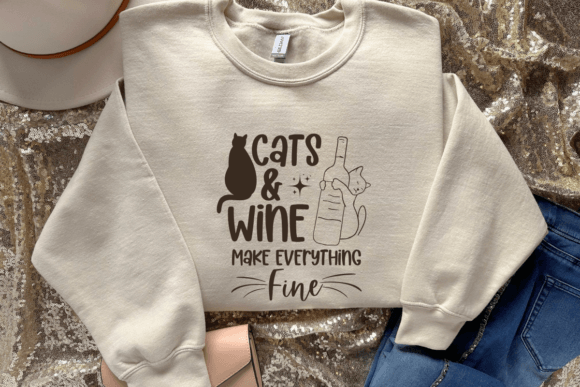
The immediate appeal of this design lies in its relatable humor. It targets a very specific demographic: the cat mom who enjoys unwinding with a glass of wine. However, aesthetic appeal is only half the battle. Visually, the layout feels balanced. The typography appears playful yet legible, which is crucial because script fonts are notorious for failing in embroidery if the lines are too thin. The feline illustration integrates well with the text rather than fighting for dominance. For an Etsy seller or boutique owner, this balance suggests the design will read clearly even from a distance, whether on a sweatshirt across a room or a wine tote bag held at arm's length.
From a technical standpoint, the SVG format provides clean lines for tracing or cutting, but for us embroiderers, it serves as an excellent base for digitizing or verifying existing stitch files. The shapes appear distinct enough to support various stitch types without losing definition. If you are using this as a base for a custom applique design, the separation between the cat elements and the lettering seems manageable, reducing the risk of bulky overlap areas that can pucker lightweight fabrics.
Real-World Application: The Canvas Tote Test
To truly evaluate this asset, I mentally placed it in a real production scenario: creating a premium canvas tote bag for a local craft fair. Totes are high-stakes items because the fabric is unforgiving and the audience expects durability. In this context, the Cats and Wine Make Everything Fine SVG shines as a centerpiece. The phrase is long enough to fill the horizontal space of a standard tote without requiring excessive resizing that distorts proportions.
For this project, I would envision using a combination of techniques. The word "Wine" could be rendered in a rich burgundy satin stitch to create a focal point, while "Cats" might utilize a textured fill stitch to mimic fur. The connecting phrase "Make Everything Fine" works best as a running stitch or a lighter weight font to provide visual breathing room. This variation in stitch density prevents the design from becoming a stiff, bulletproof patch on the bag. Customers appreciate tactile variety; it signals a high-quality handmade product rather than mass-produced merchandise. Furthermore, because totes are frequently washed and heavily used, ensuring the design has adequate underlay is non-negotiable to prevent distortion over time.
Navigating Fabric Challenges and Hoop Limitations
While versatile, this design requires careful consideration regarding substrate choice. Not every fabric is a friend to detailed text and animal illustrations. Here is where practical judgment must override creative enthusiasm:
- Stretchy Knits and Sweatshirts: This is a prime candidate for sweatshirt embroidery, but knits are unstable. You must use a heavy-duty cutaway stabilizer. If the design includes tiny details in the cat’s face or thin serifs in the text, consider simplifying them before stitching on fleece. Thick fabric texture can swallow fine lines, making the design look muddy.
- Dark Fabrics: White or light-colored thread on dark backgrounds increases contrast but also highlights any registration errors. If your embroidery file does not include a white underlay base for color blocking, add one manually. Without it, the dark fabric grain will show through lighter thread colors, diminishing the professional finish.
- Small Hoop Sizes: Be cautious when scaling down. If you attempt to fit this entire phrase into a 4x4 hoop for a baby bib or pocket logo, the text may become illegible. Always check the minimum recommended size. Sometimes, splitting the design or removing secondary elements is better than forcing a complex layout into a tiny space.
- Curved Surfaces: Caps and curved pouches present alignment challenges. Ensure the design baseline is straight or properly arced before hoisting. A flat design stitched onto a curved cap often results in distorted letters at the edges.
Commercial Viability and Brand Consistency
For those running a small shop product line or selling digital assets, consistency builds trust. This design carries a distinct personality that fits well within niche markets like pet lovers, wine enthusiasts, and cozy lifestyle brands. When listing finished products, the clarity of this design translates well to photography. It photographs cleanly without needing excessive editing to make out the details, which directly impacts buyer engagement and perceived value.
If you are selling the digital files themselves, ensure you understand the licensing terms associated with this specific download. Can you sell the digitized version? Are you limited to physical end products? Clarifying this protects your business. Additionally, test the file in multiple software programs if you plan to resell or modify it. Compatibility issues can lead to negative reviews from fellow makers who encounter node errors or open paths.
Essential Designer Notes Before You Stitch
Before committing this design to a final personalized gift or commercial run, follow these practical steps to ensure success:
- Test on Scrap Fabric First: Never assume factory settings are perfect. Stitch out the design on the exact fabric and stabilizer combination you intend to use. Check for puckering, thread breaks, and alignment issues.
- Verify Thread Color Contrast: Print a black and white mockup or view the design in grayscale. If the cat blends into the background or the text lacks hierarchy in monochrome, adjust your thread colors. Value contrast matters more than hue contrast in embroidery.
- Inspect Small Details: Zoom in to 200% or higher in your software. Look for stray nodes, overlapping stitches, or gaps in the outline. Fix these digitally before they become physical flaws.
- Check Stabilizer Pairings: Match the stabilizer to the fabric weight, not just the design density. A tear-away might suffice for a denim jacket, but a knit t-shirt demands cutaway. Using the wrong support is the most common cause of failure.
- Confirm Licensing for Commercial Use: Double-check whether you can use this SVG for commercial embroidery or if it is restricted to personal crafting. Respecting intellectual property is essential for maintaining a reputable brand.
- Evaluate Washability: If making tea towels or aprons, consider the longevity of the stitch type. Satin stitches can snag; fill stitches generally hold up better to frequent laundering and abrasion.
Final Verdict for Makers and Sellers
The Cats and Wine Make Everything Fine SVG offers strong potential for both hobbyists and professionals, provided it is treated with technical respect. Its charm lies in its specificity, making it an excellent choice for targeted holiday embroidery gifts, bachelorette party favors, or everyday apparel for pet owners. However, its success depends entirely on execution. By paying attention to fabric texture, stabilizer selection, and appropriate scaling, you can transform this digital graphic into a polished, sellable finished product. Whether you are creating a custom piece for a friend or stocking your Etsy shop with new inventory, this design serves as a reliable foundation for creative expression, as long as you let practical embroidery principles guide your production process.